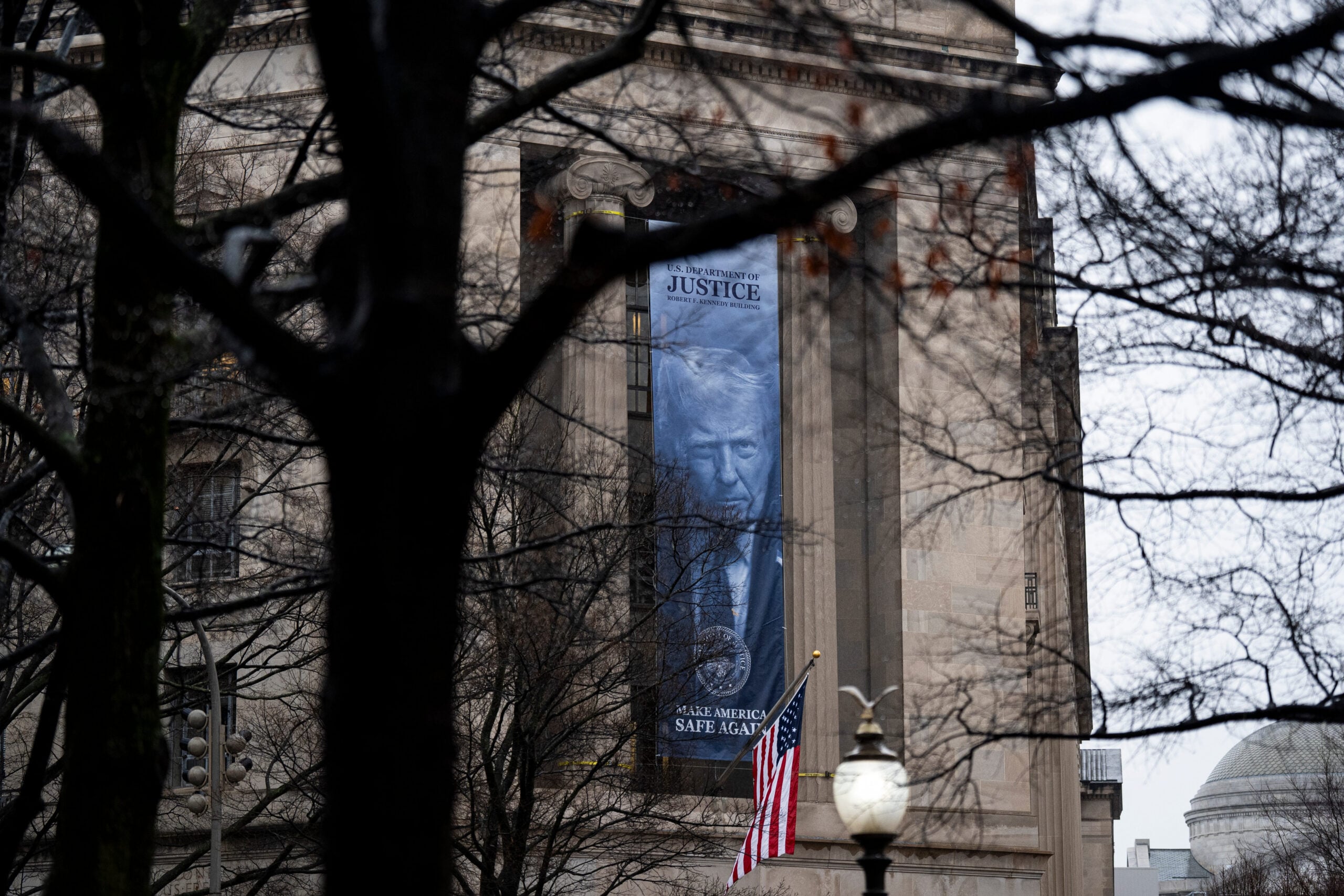
The Department of Justice implemented a case quota system for its remaining prosecutors, establishing minimum prosecution targets as the agency grapples with significant staffing turnover.
The quota structure requires prosecutors across DOJ divisions to maintain specific caseloads and secure a certain number of convictions or case resolutions within defined timeframes. The system applies to attorneys who remain at the department amid widespread departures from federal prosecution offices.
DOJ leadership designed the quota to address productivity concerns without directly confronting the underlying attrition problem. Rather than focusing on retention strategies or workplace conditions driving resignations, Main Justice opted for measurable output requirements. Prosecutors now face explicit benchmarks for filed charges, trial outcomes, and plea agreements.
The quota system raises concerns about prosecutorial independence and decision-making. Charging and plea decisions should reflect case merits and public interest rather than numerical targets. Quotas can incentivize prosecutors to pursue weaker cases or accept unfavorable plea bargains to meet numbers, compromising prosecutorial discretion protected under the Constitution.
Federal prosecutors traditionally operated without rigid case quotas, distinguishing federal practice from some state and local systems. The DOJ's move represents a departure from that tradition and may influence how line prosecutors evaluate cases.
The agency has not disclosed specific quota numbers or consequences for prosecutors falling short of targets. This lack of transparency prevents full assessment of the policy's scope and impact. Whether prosecutors face disciplinary action, assignment changes, or performance reviews tied to quota compliance remains unclear.
The quota implementation occurs as DOJ offices experience record vacancy rates and lengthy hiring delays. Experienced prosecutors continue leaving for private practice, judiciary appointments, and other government agencies. The retention crisis has stretched remaining staff across heavier dockets.
DOJ officials framed the quota as promoting accountability and consistent prosecution standards across districts. Critics argue the approach ignores root causes of departures and may accelerate them further by adding performance pressure to already o