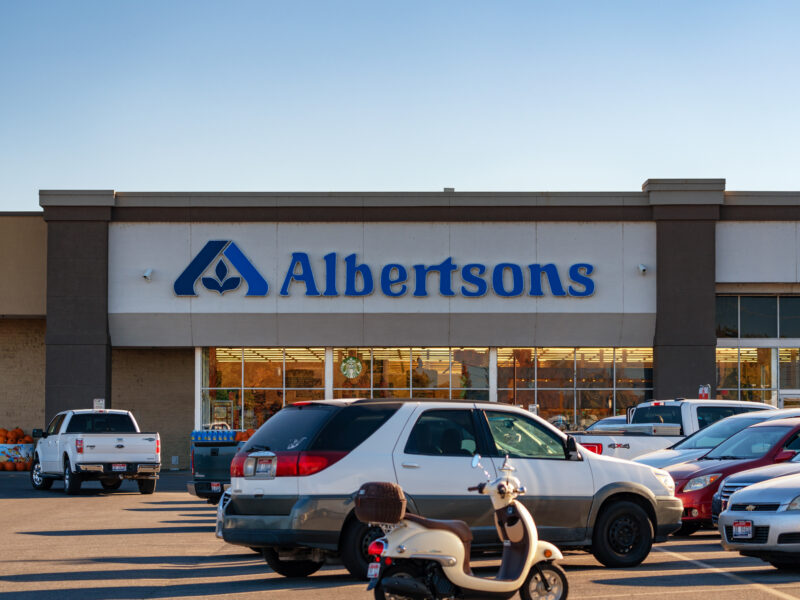
Washington State has launched a public nuisance lawsuit against Albertsons Companies Inc., alleging the grocery chain and its pharmacy operations fueled the opioid crisis across the state. The trial began in Washington courts with prosecutors arguing that Albertsons failed to implement adequate safeguards against the dispensing of dangerous prescription painkillers.
The state contends that Albertsons, operating as the second largest pharmacy provider in Washington, knowingly or recklessly ignored red flags indicating doctor shopping, suspicious prescriptions, and other patterns consistent with opioid diversion. Regulators claim the chain's pharmacy division processed and filled prescriptions without proper verification protocols, contributing to widespread addiction and overdose deaths.
The lawsuit follows similar litigation across the nation against pharmacy chains, pharmaceutical manufacturers, and distributors over their roles in the opioid epidemic. These cases rest on the theory that defendants created a public nuisance by knowingly distributing highly addictive medications without adequate controls.
Albertsons operates roughly 1,600 pharmacies across the United States, making it a substantial player in prescription drug distribution. Washington State's case specifically challenges the company's pharmacy practices within its borders, where the state serves as the second largest market for Albertsons pharmacy services.
The state likely seeks damages to fund opioid abatement programs, treatment services, and addiction recovery initiatives. The outcome could expose Albertsons to significant liability and impose stricter pharmacy compliance requirements.
Similar public nuisance claims have been brought against major pharmacy chains including CVS, Walgreens, and Walmart. Some defendants have settled these cases for hundreds of millions of dollars, agreeing to enhanced monitoring systems and prescription review procedures.
The trial's resolution may establish precedent for how retailers and their pharmacy operations face accountability for opioid distribution practices. Albertsons' defense likely centers on blaming individual pharmacists or arguing