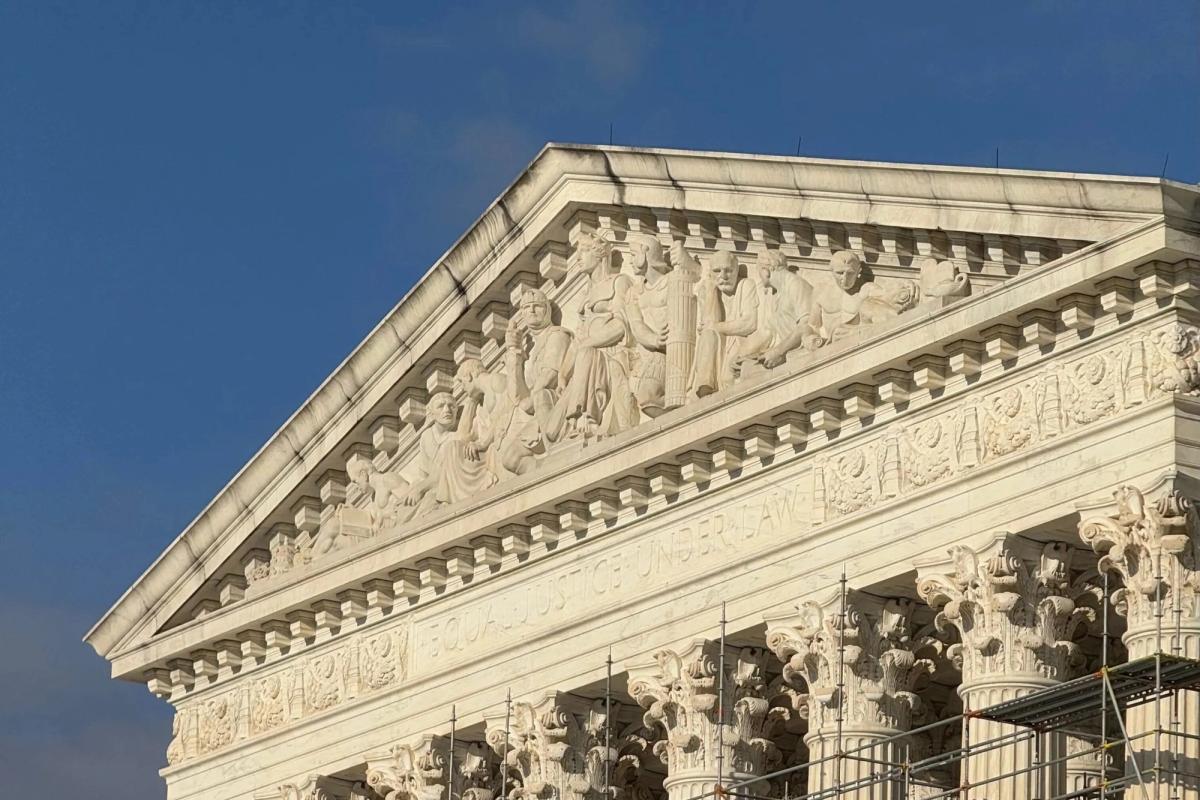
Supreme Court Justices Elena Kagan and Amy Coney Barrett will testify before House and Senate appropriations subcommittees regarding the Court's budget request. This appearance continues a historical practice of justices advocating directly to Congress for judicial funding.
Judicial testimony on budgetary matters dates back decades. The practice reflects the Court's need to secure adequate resources for operations while remaining within constitutional bounds that limit direct political engagement. Justices typically appear before the Appropriations Committee's subcommittees that oversee legislative branch funding, where the judiciary receives its allocation.
These testimonies serve multiple functions. Justices explain staffing needs, facility maintenance requirements, and technology infrastructure costs. They also address backlog concerns and operational challenges affecting case processing. The appearances give Congress direct insight into institutional pressures facing the federal courts.
The timing of Kagan and Barrett's appearance carries procedural weight. The House and Senate must approve appropriations for the entire federal judiciary, including district courts, appeals courts, and the Supreme Court itself. Budget requests typically precede fiscal year planning cycles. Justices presenting these requests gain credibility through direct congressional engagement.
Historically, Chief Justices have led these efforts. John Roberts frequently testified about judicial resource shortages and their effect on case management. Earlier justices similarly appeared before Congress, though with varying frequency depending on budgetary pressures and political circumstances.
This testimony does not constitute improper political activity under established ethical guidelines. Justices addressing institutional needs through proper congressional channels falls within appropriate judicial conduct. The distinction separates budgetary advocacy from partisan political involvement.
Kagan and Barrett's forthcoming appearances signal continued judicial engagement with the legislative branch on administrative matters. Both justices bring different tenures and perspectives to the discussion. Their testimony will likely address contemporary challenges including court digitization, security infrastructure, and workforce retention in an inflationary economy.
The budget request