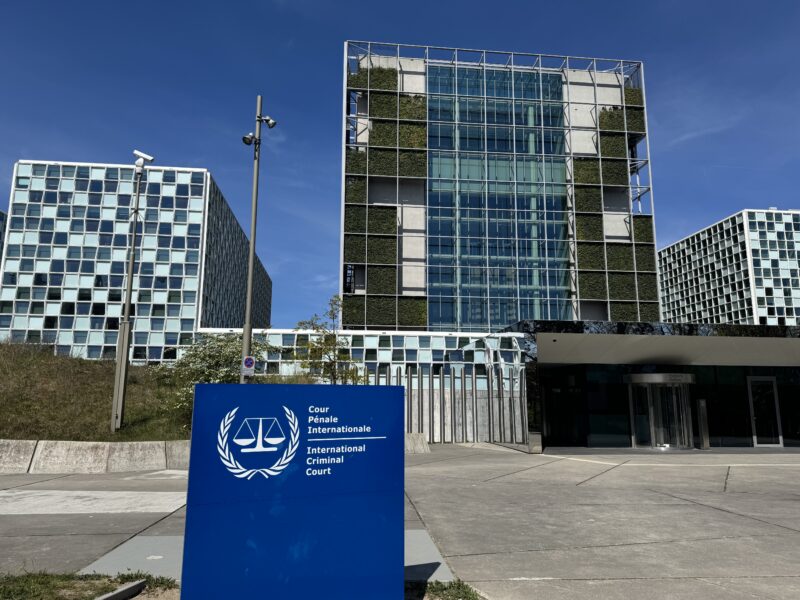
The United States State Department announced a coordinated campaign to pressure countries into abandoning the International Criminal Court, citing concerns about potential prosecutions of American military personnel and officials.
The department outlined specific tactics to undermine the ICC's authority and membership. American diplomats will contact other nations to encourage their withdrawal from the Rome Statute, the 1998 treaty establishing the court. The administration also plans to impose travel bans and economic sanctions against ICC officials directly.
This confrontation stems from the court's investigation into alleged war crimes committed by U.S. forces in Afghanistan and potential jurisdiction over American military actions elsewhere. The ICC, based in The Hague, Netherlands, has brought numerous indictments against officials from various nations but lacks enforcement mechanisms of its own.
The U.S. position reflects longstanding skepticism toward the ICC. America signed the Rome Statute in 2000 but never ratified it, preserving its ability to refuse ICC jurisdiction while maintaining diplomatic influence. However, the court's expanded assertiveness triggered this escalated response from the State Department.
Legal experts note the practical limits of America's campaign. The ICC operates as an independent body with 123 member states. Individual nations cannot unilaterally dissolve the institution, and significant powers like China, Russia, and India have never joined. The court's founding treaty allows withdrawal only after formal notice and a one-year waiting period.
The threatened sanctions against ICC officials raise additional complications. International law permits prosecutions of court employees only with the court's consent, creating a jurisdictional standoff. Some legal scholars question whether the United States possesses sufficient leverage to convince major allies like France, Germany, and Britain to abandon an institution they helped establish.
This campaign represents the most aggressive American posture toward the ICC since the Bush administration's earlier opposition. It places the U.S. at odds with numerous allies and raises questions about the consistency of American commitments