# Supreme Court Allows Texas Age Verification Law to Take Effect
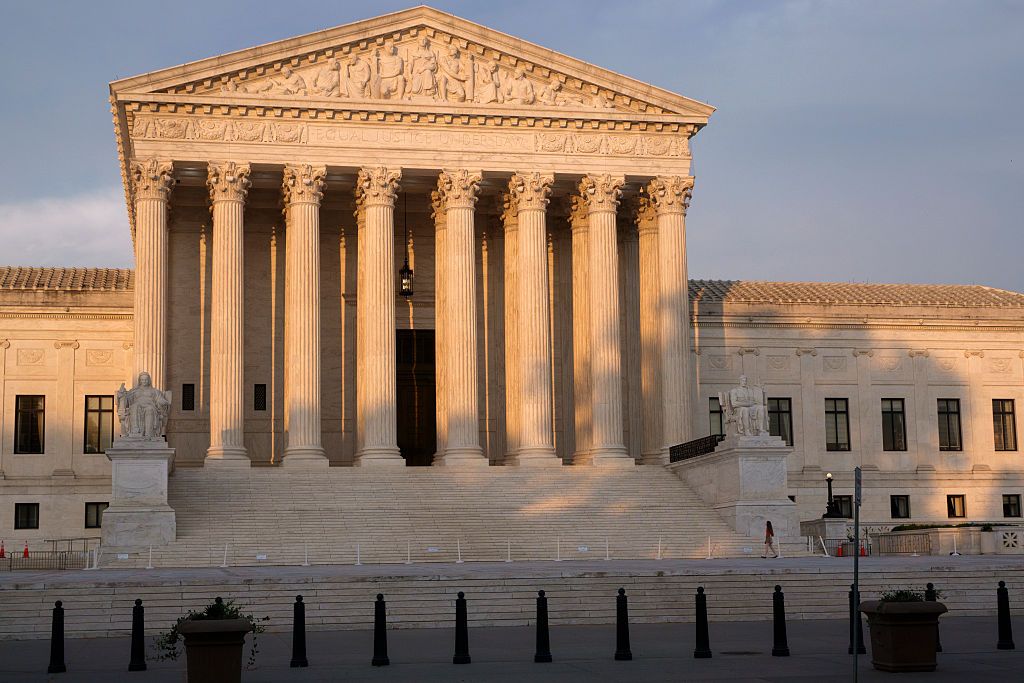
The Supreme Court has cleared the way for Texas to enforce H.B. 1693, a law requiring social media platforms to verify users' ages and obtain parental consent for children under 18. The decision came via a brief order that rejected a request to block the statute while legal challenges proceed.
The law applies to any online service allowing users to create accounts and share content with others. Platforms must implement age verification systems and cannot knowingly permit minors to access their services without parental consent. Texas defines covered services broadly, capturing most major social media companies including Meta, TikTok, and Snapchat.
Industry groups and civil liberties organizations challenged the law on First Amendment grounds, arguing it violates free speech protections and imposes impossible compliance burdens. They contended that effective age verification technology does not exist and that the law's vague definitions create operational chaos. A lower court had blocked enforcement, but the Supreme Court's action signals the justices will not intervene at this preliminary stage.
The decision reflects the Court's reluctance to stop enforcement before full briefing and oral arguments. Multiple justices have expressed skepticism of broad social media regulation, yet the Court stopped short of endorsing the Texas approach. Legal observers note the order does not resolve constitutional questions on the merits.
Texas joins other states implementing age-protection laws for minors online. Florida, Utah, and Arkansas have enacted similar statutes, though they face ongoing litigation. These laws represent a legislative response to concerns about algorithmic content targeting, mental health impacts on young users, and data collection practices.
Platforms now face conflicting state mandates and practical implementation challenges. The ruling creates pressure for federal legislation to establish uniform standards nationwide. Congress has considered various proposals addressing youth online safety, though consensus remains elusive.
The legal battle will continue through lower courts, where the First