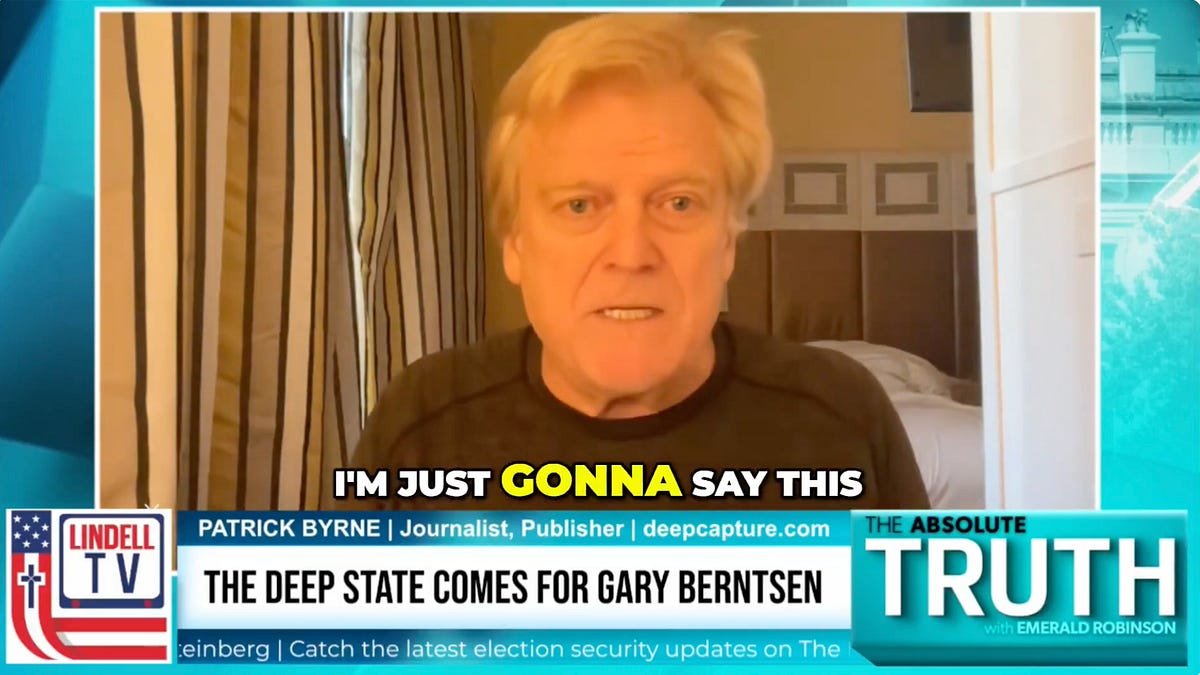
Patrick Byrne, the former CEO of Overstock.com, lost a defamation case and now faces an obligation to pay damages related to statements about Hunter Biden. The case reveals the legal consequences Byrne encountered after making public allegations that drew litigation.
Byrne's defamation liability stems from claims he made publicly. A court determined that his statements about Hunter Biden crossed legal lines, resulting in a judgment against him. The exact damages amount and court jurisdiction remain relevant to understanding the case's scope, though the core issue centers on defamation law principles.
Defamation requires proof that a defendant made false statements of fact, published them to third parties, and caused reputational harm. Courts apply different standards depending on whether the plaintiff qualifies as a public figure. If Hunter Biden prevailed as a public figure, he would need to prove actual malice, meaning Byrne knew the statements were false or acted with reckless disregard for truth.
The case carries practical weight for public figures and private citizens alike. High-profile individuals increasingly pursue defamation actions against speakers who make unsubstantiated claims. For Byrne specifically, the loss represents a financial setback and a legal precedent limiting his ability to make certain statements without facing liability.
Byrne's litigation history includes his outspoken role in various business and political controversies. His track record of public statements has previously drawn legal attention. This judgment demonstrates that courts will enforce defamation standards against even well-known figures when statements fail to meet truth or privilege defenses.
The financial obligation to pay damages serves as a concrete enforcement mechanism for defamation law. Such judgments deter future false statements by imposing real costs on speakers. The case illustrates how defamation law balances free speech protections against the need to protect individuals from reputational harm caused by demonstrably false claims.
For those