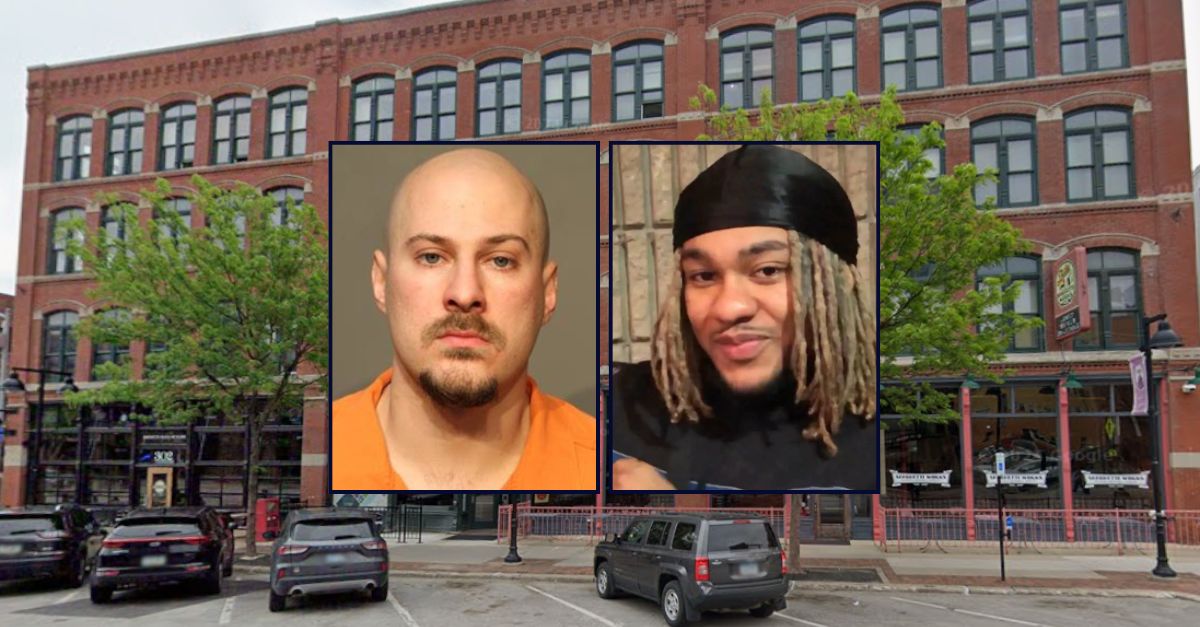
A man fatally shot his friend during an early morning argument on New Year's Day 2026 in Iowa. The shooter stated he pointed the gun at his friend intending to end the conversation, not realizing the weapon would discharge and kill him.
The incident occurred in the hours immediately following midnight on January 1, 2026. The two men were engaged in a dispute when the shooter retrieved a firearm and pointed it at his friend. According to the shooter's account, he believed displaying the weapon would terminate their argument. The gun discharged, striking the victim fatally.
The shooter characterized the shooting as accidental, though prosecutors will examine whether his conduct constitutes involuntary manslaughter, second-degree murder, or another degree of homicide under Iowa law. The distinction between accidental discharge and reckless or negligent conduct determines criminal liability. Iowa Code section 707.2 defines second-degree murder as intentional killing without premeditation; section 707.3 covers willful injury causing death; section 707.4 addresses involuntary manslaughter involving reckless conduct.
The shooter's statement that he pointed the gun at another person presents a critical factual issue. Pointing a loaded firearm at someone constitutes reckless conduct under most circumstances, regardless of the shooter's subjective intent. Courts examine whether the defendant knew pointing a gun at another person created substantial risk of death or serious injury. The shooter's assertion that he did not expect discharge does not eliminate liability if his actions were inherently dangerous.
Iowa allows voluntary manslaughter defenses only in narrow circumstances involving sudden provocation and insufficient "cooling off" time. The argument alone likely does not qualify as adequate provocation under Iowa precedent.
The shooter faces investigation by Iowa law enforcement. Prosecutors must establish whether the shooter acted with knowledge of risk or with extreme indifference to human life. His own statement