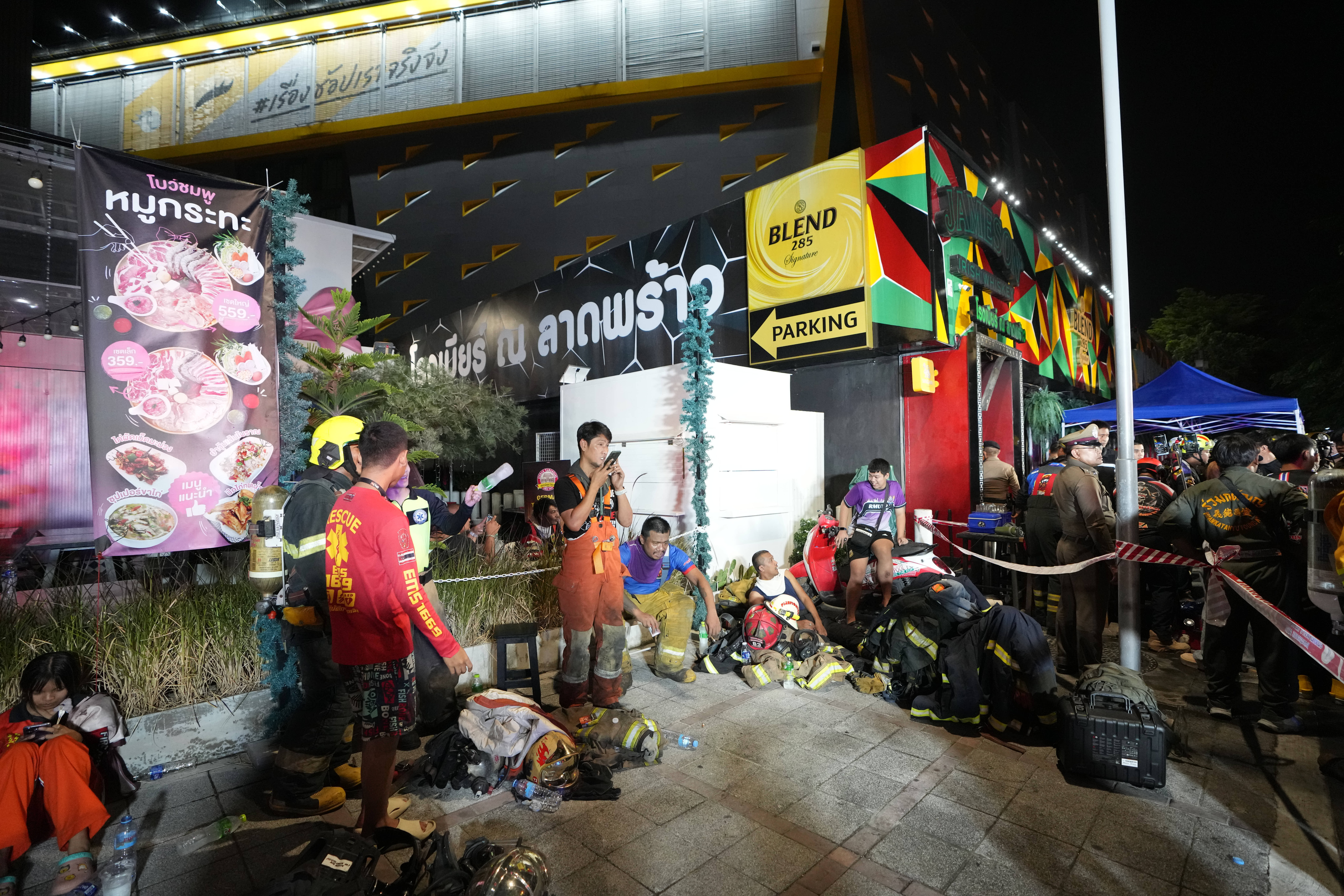
A massive fire swept through the Na Ladprao pub in northern Bangkok, killing at least 27 people in one of Thailand's deadliest nightlife disasters. First responder footage captured the intense blaze consuming the establishment, with thick smoke billowing from the entrance as crews battled the inferno.
The death toll and property damage raise immediate questions about building code compliance, fire safety protocols, and emergency response procedures. Thai authorities will likely investigate whether the venue met occupancy limits, maintained functional fire suppression systems, and provided adequate emergency exits. Such inquiries typically examine whether ownership violated the Building Control Act or Fire Prevention Act, Thailand's primary statutes governing nightclub safety standards.
The incident echoes the Santitham nightclub fire in Chiang Mai in 2022, which killed 20 people and triggered nationwide reviews of safety enforcement. That disaster exposed systemic failures in inspection regimes and regulatory oversight. Bangkok's Na Ladprao incident will probably trigger similar legislative scrutiny and potential civil liability suits from victims' families against the pub operator.
Nightclub owners face strict liability under Thai law for deaths occurring on premises due to negligent fire safety measures. The operator faces potential criminal charges for reckless endangerment and violations of fire code statutes. Survivors and families of deceased victims typically file parallel civil actions seeking compensation for wrongful death and personal injury claims.
The Bangkok Metropolitan Administration and Thai Fire Department will conduct mandatory investigations into structural compliance, emergency lighting systems, blocked exits, and whether staff received fire safety training. These findings often result in temporary venue closures and substantial fines. In severe cases, permanent license revocation occurs.
Business owners nationwide will face renewed pressure to upgrade fire detection systems, conduct evacuation drills, and reduce occupancy caps. Insurance carriers may increase premiums or deny coverage for venues with documented safety violations. The tragedy underscores enforcement gaps in Thailand's hospitality