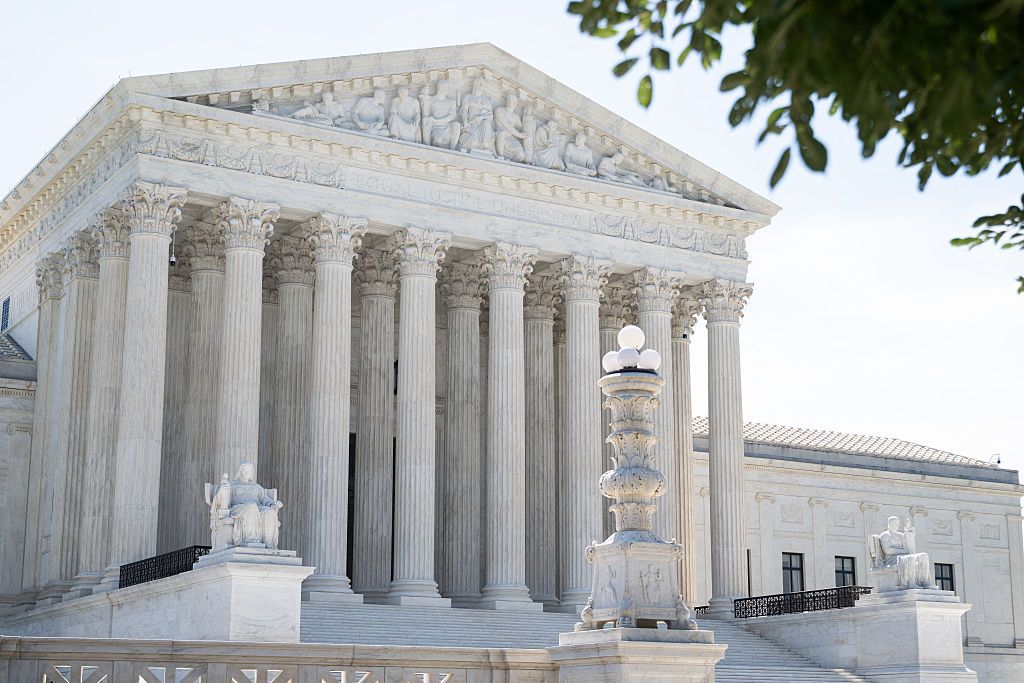
The Supreme Court of the United States has demonstrated institutional resilience and independence despite mounting external pressures from political actors and public criticism, according to recent analysis from SCOTUSblog.
The Court maintains its constitutional role as an independent branch of government through several mechanisms. Justices retain lifetime tenure under Article III, insulating them from electoral pressures and political retaliation. This structural protection enables the Court to issue decisions based on legal interpretation rather than partisan calculations.
Recent terms illustrate the Court's willingness to rule against expectations. Justices have issued opinions that cross traditional ideological lines, demonstrating the institution's capacity to resist polarization. The Court rejected efforts to overturn the 2020 presidential election results and maintained core administrative law doctrines despite calls for their elimination.
The Court's docket reflects independent decision-making. The justices select cases based on their assessment of legal importance, not political convenience. Controversial rulings on abortion, affirmative action, and voting rights show the Court engaging with divisive topics directly rather than avoiding them through procedural dismissals.
External challenges test institutional independence. Proposals to expand the Court, modify term limits, or impeach sitting justices represent attempts to pressure the institution. Congressional criticism and public protests follow unpopular decisions. These pressures have not visibly altered the Court's fundamental independence in case selection or reasoning.
The Court's power derives partly from perceived legitimacy. Citizens and lower courts respect Supreme Court decisions because the institution appears independent from political manipulation. Preservation of this perception protects the Court's long-term authority.
Justices have articulated their commitment to impartiality in recent statements. Chief Justice John Roberts and other members have reaffirmed the Court's role as an apolitical institution bound by law rather than party loyalty.
The Supreme Court's independence remains its defining feature. Lifetime tenure, case selection autonomy,