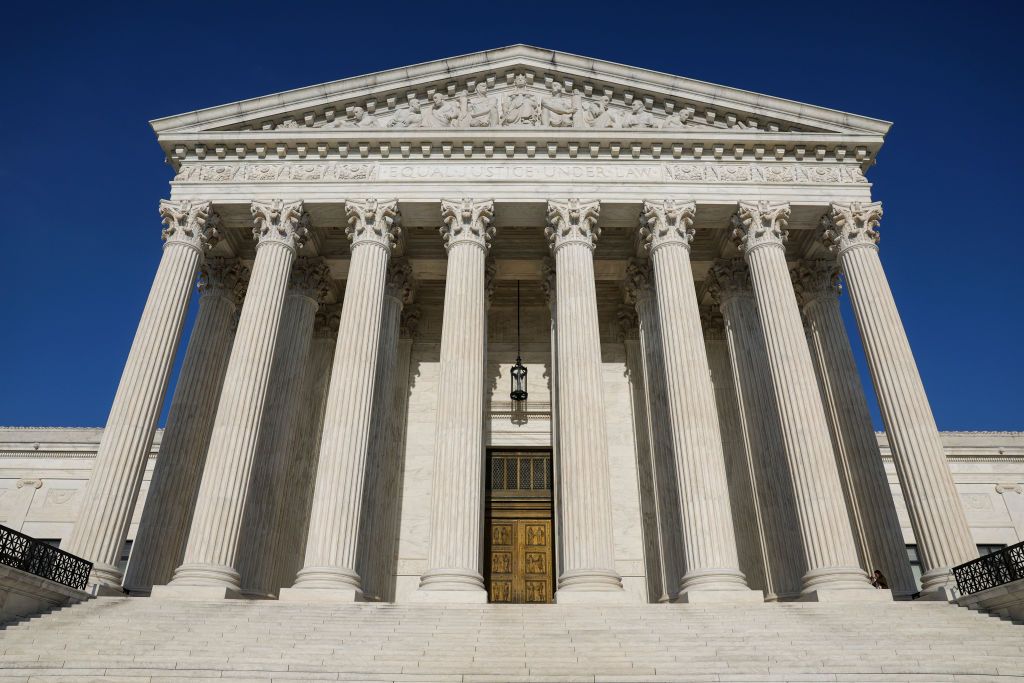
The Supreme Court faced an unusually heavy caseload last summer, departing from its traditional recess schedule. The justices worked through typical vacation months to resolve pending opinions and handle emergency motions. This compressed timeline prompted questions about whether the Court would implement structural changes to provide adequate breaks this year.
The 2023 term concluded with the Court issuing decisions on affirmative action, student debt relief, and other contentious matters well into June and July. Chief Justice John Roberts and his colleagues faced criticism for the backlog of opinions, which extended the term into what is customarily their summer hiatus. Legal observers noted the operational strain on chambers staff and law clerks during the extended schedule.
Several factors contributed to the heavy workload. The Court's docket included numerous cases with significant public and political implications, each requiring detailed majority, concurring, and dissenting opinions. The decision to overturn Roe v. Wade in Dobbs v. Jackson Women's Health Organization generated complex downstream litigation that placed additional demands on the Court's resources.
Court insiders acknowledged that the grueling schedule raised concerns about institutional sustainability. Some commentators suggested that the justices adopt measures to better manage case flow, such as accepting fewer cases per term or establishing firmer deadlines for opinion release. Others argued that the heavy docket reflected the Court's essential role in resolving constitutional disputes that lower courts could not settle.
The question of whether the Court would grant justices meaningful breaks this year remained unresolved as the new term approached. The administrative office of the Court had not announced explicit changes to the recess schedule. Legal experts speculated that without formal reforms, the Court risked repeating the previous year's compressed timeline, potentially affecting the quality of judicial deliberation and the well-being of Court personnel.
The issue highlights broader concerns about the Court's capacity to handle an increasingly complex constitutional landscape while maintaining the deliberative process that legitim