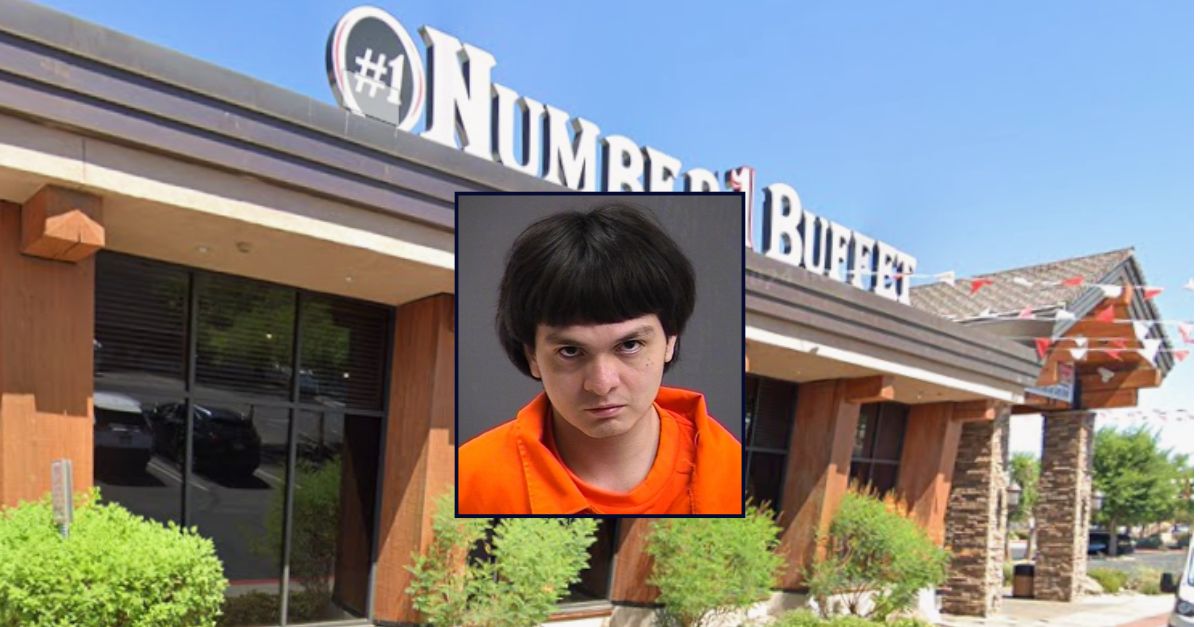
A 22-year-old Arizona man received a 20-year prison sentence for fatally shooting a victim who was preparing to retire and relocate. The perpetrator fired a pistol through the victim's car window in what authorities describe as a random killing that occurred after the victim finished lunch at a buffet restaurant.
The shooter approached the parked vehicle and discharged the weapon through the window at close range. Investigators characterized the homicide as unprovoked and unmotivated by any prior relationship or dispute between the parties. The victim, who had made plans to leave Arizona for a fresh start in retirement, was killed before he could execute those plans.
The 22-year-old defendant pleaded guilty or was convicted of the offense, resulting in the 20-year prison sentence imposed by the Arizona court. The sentence reflects the severity of the killing and the apparent senselessness of the act from the prosecution's perspective.
Random shootings like this one present particular challenges for law enforcement because they typically lack traditional investigative leads such as motive, prior contact, or circumstantial connections between shooter and victim. Authorities must rely heavily on physical evidence, surveillance footage, and witness testimony to apprehend suspects in such cases.
The conviction and sentencing demonstrate Arizona's approach to homicide prosecutions, where extreme sentences apply even when defendants lack criminal histories. The 20-year term ensures the perpetrator will spend his formative adult years incarcerated, and he will not be eligible for release until his 40s.
The case underscores the unpredictable dangers of everyday activities. A routine lunch at a public restaurant became the victim's final day due to the spontaneous violence of a stranger. Family members lost a relative on the eve of what should have been a joyful life transition. The victim will never experience retirement or the new life he planned to build in another state.