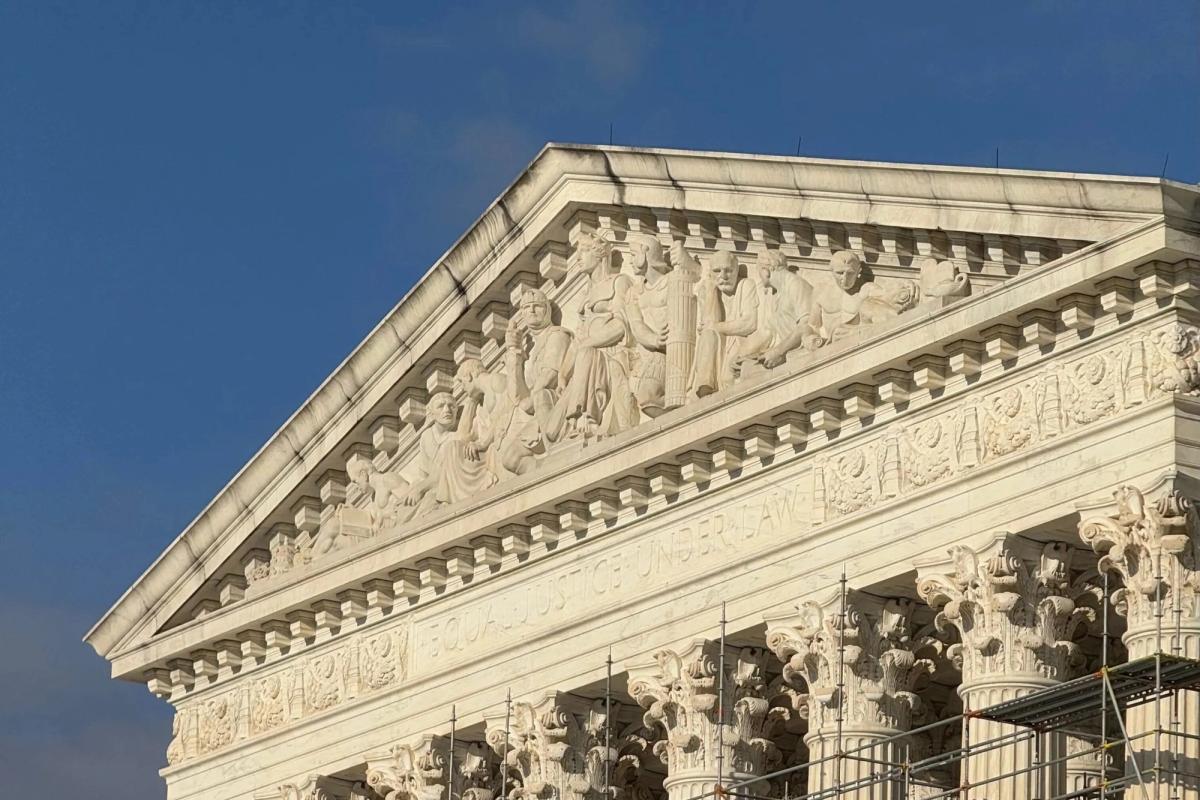
The Supreme Court concluded a transformative term marked by landmark decisions reshaping American constitutional law, with the Court's docket for the upcoming session promising equally weighty cases.
The past term delivered rulings that altered the legal landscape across multiple domains. The Court's decision in Dobbs v. Jackson Women's Health Organization overturned Roe v. Wade and Planned Parenthood v. Casey, eliminating the federal constitutional right to abortion and returning regulatory authority to individual states. This decision alone triggered immediate legal consequences, activating "trigger laws" in multiple states and creating a patchwork of abortion restrictions nationwide.
Beyond abortion, the Court addressed Second Amendment rights, religious liberty claims, and voting rights. The decisions reflected ideological divisions within the nine-justice bench, with the conservative majority frequently prevailing in cases where constitutional interpretation became contested.
The forthcoming term brings cases that will examine affirmative action in higher education, potentially limiting race-conscious admissions policies at universities. The Court also faces questions regarding Indian gaming rights, voting procedures, and the scope of federal regulatory authority. Several cases test the boundaries of religious accommodation in education and employment contexts.
Legal observers anticipate the new term will produce rulings with broad societal impact. Universities confront uncertainty about admissions frameworks. States prepare for potential shifts in voting administration standards. Businesses evaluate compliance obligations under evolving interpretations of federal regulatory power.
The Supreme Court's institutional standing remains contested following the previous term's decisions. Public confidence in the institution declined among certain demographics, while others praised the Court for returning power to elected branches and individual states. Congressional discussions about Court reform, including proposals for term limits and expansion, reflect ongoing tension over the judiciary's role in American governance.
The 2023-2024 term positions the Court as a central actor in determining fundamental questions about educational access, constitutional rights, and federalism. Cases on the docket demand the Court reconcile