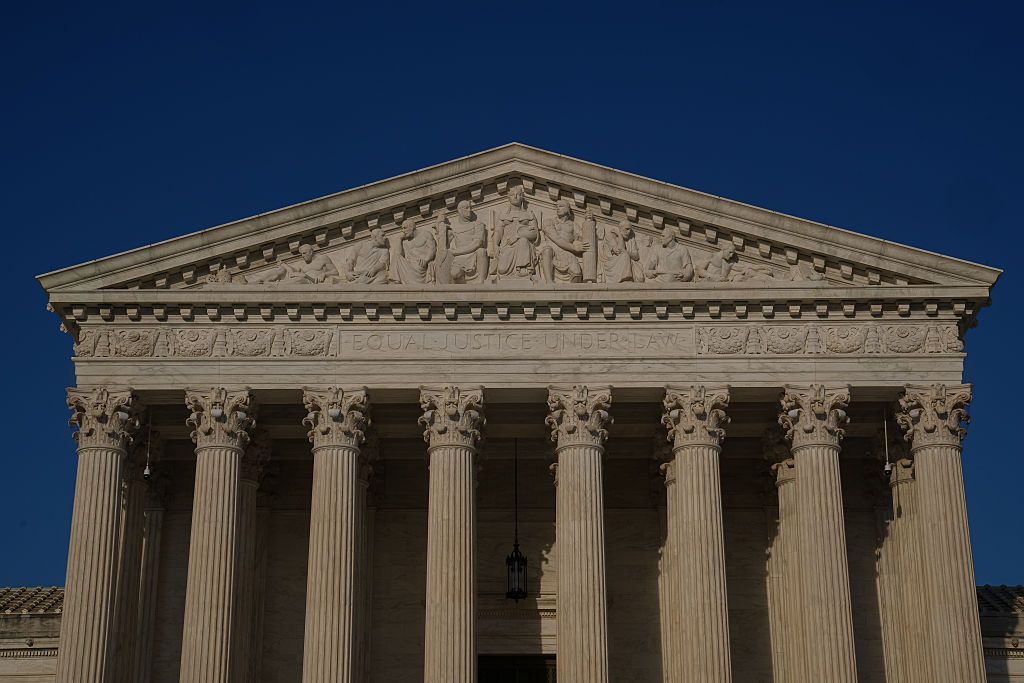
# Supreme Court's Vision Problem: Roberts Court Faces Criticism Over Narrow Reading of Law
Chief Justice John Roberts leads a Supreme Court majority that critics argue either cannot see or refuses to acknowledge the broader implications of its rulings. The question posed by legal observers cuts to the heart of judicial interpretation: does the current Court suffer from hyperopia (farsightedness), unable to focus on immediate consequences, or does it deliberately ignore them?
Legal commentators point to recent decisions where the Roberts Court adopted narrow statutory readings that produced outcomes many viewed as divorced from legislative purpose. The Court has repeatedly emphasized the plain text of statutes while downplaying context, history, and practical effects. This approach generates two competing diagnoses.
The hyperopia theory suggests the justices genuinely cannot perceive how their textual parsing creates unintended gaps or contradictions. By focusing exclusively on statutory language, they lose sight of the law's operational reality. Under this reading, the Court makes honest mistakes about what its decisions accomplish in practice.
The willful blindness theory presents a darker alternative. It proposes that the justices understand the practical consequences but choose to ignore them because those consequences align with their preferred policy outcomes or constitutional philosophies. This account treats narrow readings not as oversight but as deliberate strategy masked by formalist methodology.
The distinction carries weight. Hyperopia invites correction through amended legislation or clarifying statutes. Congress can supply the details the Court claims the original law lacked. Willful blindness resists such fixes because the Court would simply ignore the amendment's legislative history and apply the same interpretive method to the new text.
Examples supporting both theories emerge across the Court's docket. Cases involving disability rights, environmental regulation, and voting law produced decisions that bore little resemblance to what many viewed as legislative intent, yet the majority emphasized textual fidelity and refused to consider broader consequences.
The Roberts Court's interpretive