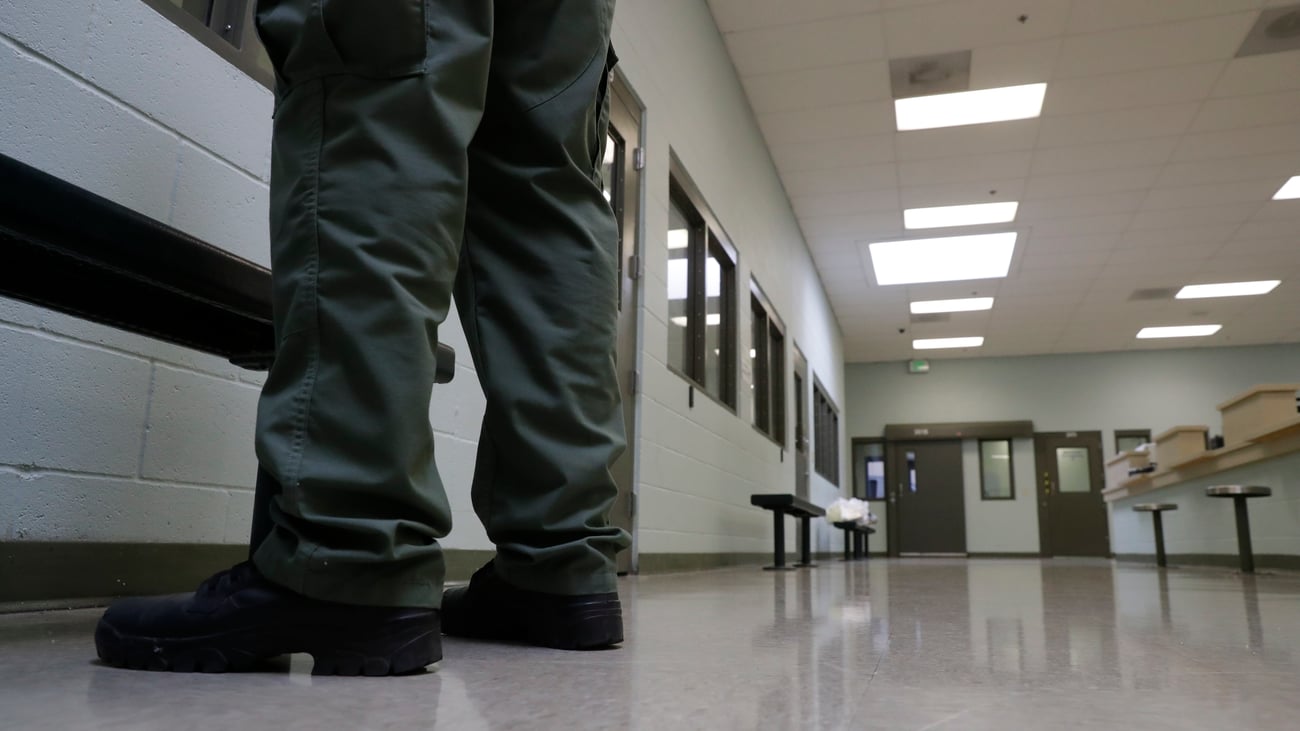
Detainees at a private immigration detention facility in California have filed repeated complaints alleging systemic deprivation of food, drinking water, and medical care, according to reports from Courthouse News.
The complaints target operations at the private facility contracted to hold individuals in Immigration and Customs Enforcement custody. Detainees describe inadequate meal portions, contaminated or insufficient drinking water access, and delayed or withheld medical treatment for acute conditions.
Immigration detention facilities operate under federal standards set by the Department of Homeland Security. Private contractors operate numerous ICE detention centers across the United States under government contracts. These facilities must comply with Performance-Based National Detention Standards, which establish minimum requirements for nutrition, sanitation, and healthcare.
The repeated nature of these complaints suggests either systemic compliance failures or inadequate remedial action following initial reports. Detainees in ICE custody possess limited legal protections under the Fifth Amendment and applicable federal regulations, though recent litigation has expanded accountability mechanisms for detention conditions.
Private detention operators face potential liability under 42 U.S.C. Section 1983 for constitutional violations and under contract law if their operations fall below required performance standards. DHS can terminate contracts or impose financial penalties for sustained violations of detention standards.
The complaints raise questions about oversight mechanisms at private facilities. Government monitoring of private detention operations relies heavily on periodic inspections and complaint procedures. Detainee litigation has proven instrumental in enforcing compliance when administrative remedies prove inadequate.
This case reflects ongoing tensions in the immigration detention system regarding conditions of confinement. Private operators prioritize cost containment, which sometimes conflicts with adequate provision of food, water, and medical services. The repeated complaints indicate that initial agency responses may have failed to remedy underlying operational deficiencies.
Potential remedies available to detainees include administrative complaints to DHS, grievance procedures within the facility, and civil litigation against the private