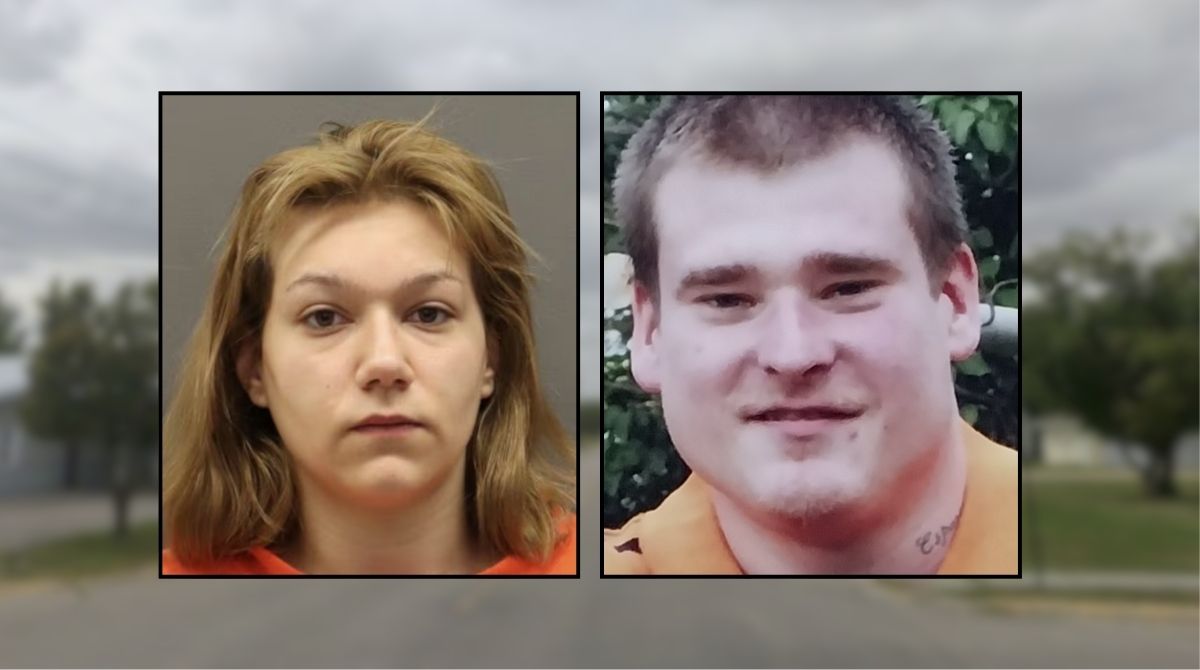
A woman in Colorado faces murder charges after shooting her boyfriend in the head and fleeing the scene with his dog. Officers arrested her following the incident, during which she made incoherent statements to detectives, including references to sugar beets and comments about the victim's weight loss. Police reported that she "was not making any sense" during questioning.
The shooting occurred at a residence, and investigators recovered the weapon at the scene. The victim died from gunshot wounds to the head. Beyond the homicide itself, the defendant's removal of the victim's dog raises additional questions about premeditation and her mental state at the time of the offense.
Her statements during arrest suggest possible impairment or mental health disturbance. Colorado law permits courts to evaluate competency to stand trial and mental state defenses. Under Colorado Revised Statutes Section 16-8-101, a defendant found incompetent cannot proceed to trial until competency is restored. Additionally, Section 16-8-121 governs insanity defenses, requiring the prosecution to prove the defendant's mental condition did not prevent her from appreciating the criminality of her conduct.
The incoherent nature of her statements could support either a competency evaluation or an insanity defense, depending on the timeline and expert psychiatric assessment. Such statements also factor into bail hearings. Colorado courts consider mental state evidence when determining release conditions or detention pending trial.
The case demonstrates the intersection of violent crime and mental health evaluation in criminal proceedings. Defense counsel will likely pursue comprehensive psychiatric and psychological evaluations. Prosecutors must prove the defendant's culpability beyond reasonable doubt, accounting for any legitimate mental health claims while establishing her responsibility for the homicide.
The theft of the dog, while seemingly secondary, may support charges of deliberate post-crime behavior inconsistent with genuine mental incapacity claims. These factual inconsistencies often emerge during trial as both sides