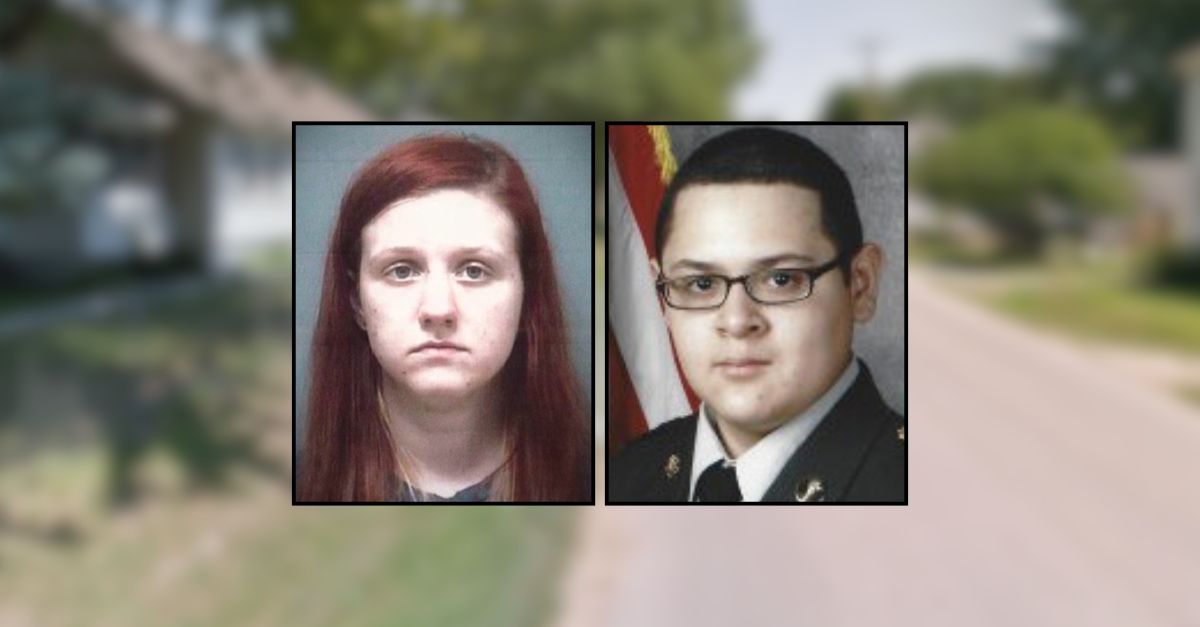
An Illinois police officer fatally shot her roommate after sending him Snapchat photographs showing her holding a firearm to her head, authorities disclosed.
The officer, whose identity remains subject to standard investigative protocols, discharged her weapon at her roommate following the exchange of images depicting a suicidal gesture. The fatal shooting occurred at their shared residence, triggering a police response and subsequent investigation by state authorities.
Details surrounding the exact sequence of events leading to the discharge remain under investigation. Law enforcement has not yet clarified whether the roommate's response to the photographs or other circumstances precipitated the lethal force. The circumstances present questions about the officer's mental state, the roommate's actions immediately preceding the shooting, and whether warnings were issued before the fatal discharge occurred.
Illinois law permits use of force by police officers when facing imminent threats to themselves or others. However, the specific facts here, including whether the officer faced an actual threat from the roommate or whether the shooting resulted from a mental health crisis, will determine potential criminal charges and civil liability.
The incident raises concerns about officer wellness protocols and mental health screening within Illinois law enforcement. The officer's decision to photograph herself in apparent suicidal distress and share those images suggests possible psychological crisis. Whether the department had implemented threat assessment procedures or mental health interventions prior to the incident remains unclear.
Potential charges against the officer could range from involuntary manslaughter to second-degree murder, depending on whether prosecutors determine the shooting was justified self-defense, a reckless act, or an intentional killing. Illinois law recognizes both affirmative defense claims for law enforcement and criminal accountability when force exceeds legal bounds.
This case highlights systemic issues in police officer mental health support and early intervention protocols. Departments nationwide face scrutiny over whether they adequately identify and assist officers experiencing suicidal ideation or mental distress before tragic outcomes occur.