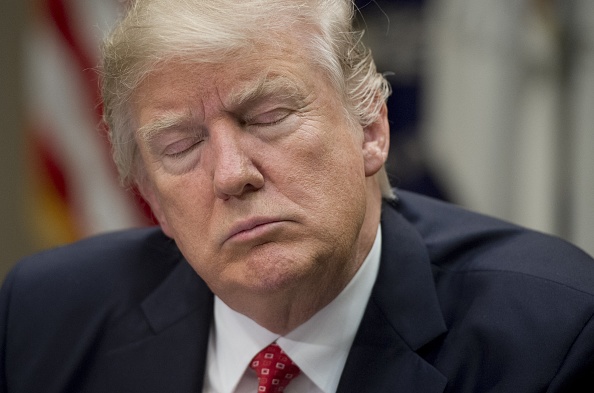
Donald Trump publicly criticized the Supreme Court as "absolutely insane" while simultaneously requesting the Court reconsider its position on birthright citizenship, according to reporting from Above the Law.
Trump's dual approach targets the Supreme Court's existing precedent on citizenship rights. The 14th Amendment grants citizenship to persons born on U.S. soil, a principle the Supreme Court has upheld consistently since United States v. Wong Kim Ark, 169 U.S. 649 (1898). That landmark decision established that children born to non-citizen parents acquire citizenship by birth.
Trump's public denunciation of the Court while petitioning it creates strategic tension. He attacks the institution's judgment while requesting it overturn established constitutional doctrine. This rhetorical posture complicates any formal petition seeking reconsideration of birthright citizenship law.
The request targets one of the Constitution's foundational provisions. The 14th Amendment Section 1 states: "All persons born or naturalized in the United States, and subject to the jurisdiction thereof, are citizens of the United States." Courts have interpreted "subject to the jurisdiction thereof" narrowly, excluding only diplomats and hostile military occupants.
Trump's timing signals legislative and judicial strategy. Any formal petition to the Supreme Court faces steep procedural hurdles. The Court rarely revisits settled constitutional questions, particularly on fundamental rights. Justices typically require extraordinary circumstances and significant new legal reasoning to overrule longstanding precedent under the doctrine of stare decisis.
The political dimension intersects with legal doctrine. Trump's public criticism alienates potential judicial allies while his formal request tests whether conservative justices will entertain birthright citizenship challenges they previously declined.
Legal experts recognize this approach carries substantial risks. Public attacks on judicial reasoning undermine the credibility of subsequent petitions before that same court. Judges respond poorly to perceived intimidation or pressure from litigants critic