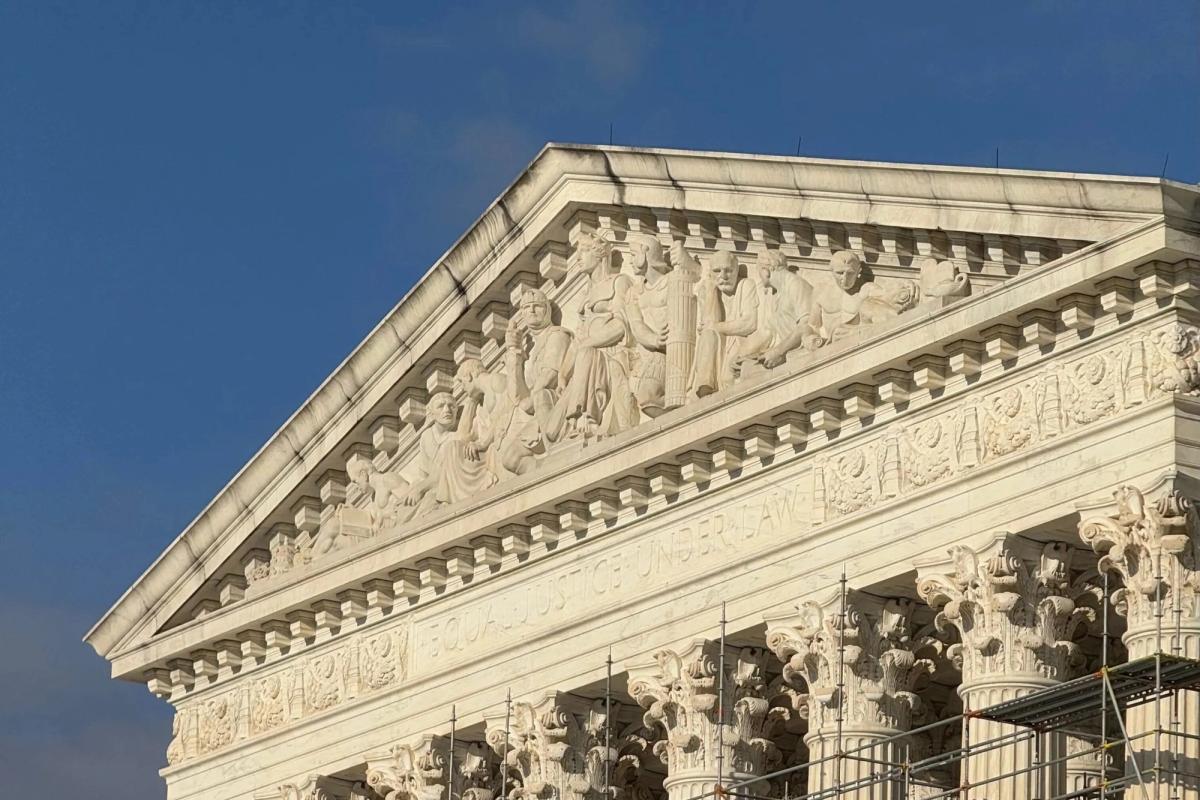
# The Rarity of Supreme Court Do-Overs
The Supreme Court rarely grants parties a second chance to argue cases after oral arguments conclude. SCOTUSblog's term-in-review event featured remarks from Cecillia Wang, who argued the birthright citizenship case before the justices.
Rehearing petitions remain extraordinarily uncommon at the Supreme Court. The justices dispose of roughly 7,000 cases annually through various procedural mechanisms, yet grant only a handful of rehearing requests. The standard for obtaining a rehearing under Supreme Court Rule 44 requires demonstrating that a justice participated in the decision while disqualified or that intervening circumstances warrant reconsideration.
The birthright citizenship case, which centered on the scope of the Fourteenth Amendment's citizenship clause, generated substantial public interest. Wang's participation in the oral argument represented a significant moment for the American Civil Liberties Union, the organization she represents as managing attorney of its Immigrants' Rights Project.
The Court's reluctance to reconsider decided cases reflects institutional efficiency and finality principles. Once the justices issue an opinion, the matter generally concludes. Exceptions exist primarily when a justice fails to recuse themselves despite a disqualifying interest, or when new facts emerge that materially affect the legal question presented. Even these circumstances seldom trigger rehearing grants.
Practitioners recognize that oral argument performance remains critical precisely because do-overs prove unavailable. Attorneys cannot rely on second opportunities to correct mistakes or address questions the justices pose. The stakes during argument consequently run exceptionally high.
Wang's role in the birthright citizenship oral argument underscores how civil rights organizations prepare exhaustively for their singular chance before the Court. The ACLU structured its presentation to address potential justice concerns and articulate the constitutional foundations for its position. No guarantee existed that additional argument time would follow an unfavorable