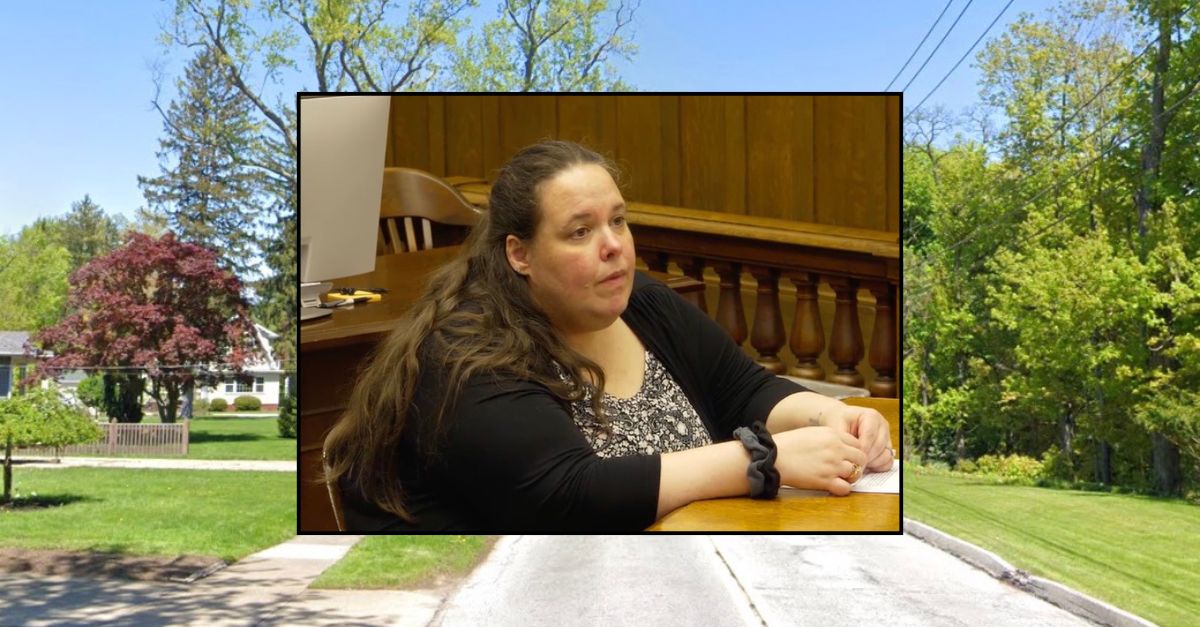
Krystal Krause pleaded guilty to recklessly causing the death of her infant son, more than a decade after completing a prison sentence for her 3-year-old son's drowning death.
Krause's guilty plea marks a second criminal conviction for child death under her care. The earlier conviction stemmed from the drowning of her toddler. After serving her sentence, she was released. The subsequent death of her infant son occurred during the period after her release, leading to fresh criminal charges.
The reckless killing charge reflects a lower culpability standard than intentional homicide or second-degree murder. Recklessness in criminal law requires that the defendant consciously disregarded a substantial risk of death. The prosecution established that Krause's conduct created that substantial risk, resulting in the infant's suffocation death.
This case presents troubling questions about child protection and criminal justice oversight. A parent with a documented history of fatal incidents involving children under their supervision remained in a position to care for another child. The sequence of deaths suggests systemic failures in protective services, parental supervision conditions, or custody determinations following Krause's initial release.
The guilty plea eliminates the need for trial proceedings and allows the court to proceed directly to sentencing. Reckless homicide convictions carry sentencing ranges that vary by jurisdiction but typically result in substantial prison terms. The court will consider aggravating factors, including Krause's prior conviction for a similar death.
The case underscores gaps between criminal prosecution and prevention mechanisms. Even when the criminal justice system secures convictions, post-release safeguards may prove inadequate to prevent recurrence when individuals retain access to vulnerable persons. Prosecutors, judges, and child welfare agencies face difficult decisions when a convicted offender re-enters society. The outcome in Krause's sentencing phase will inform whether courts view her