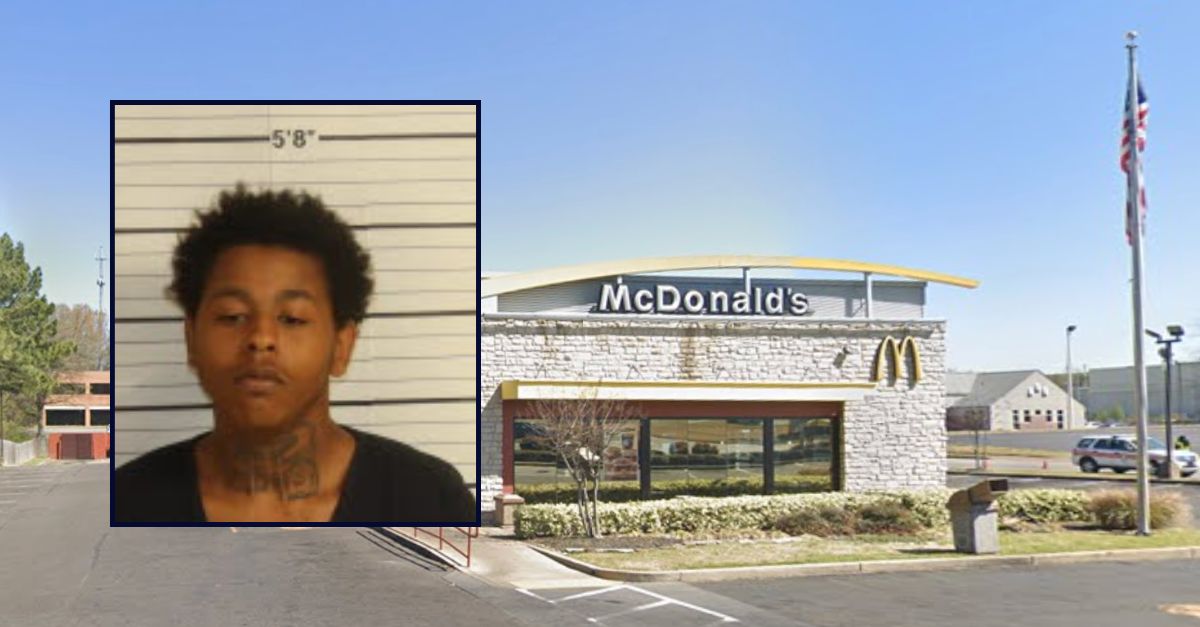
A man repeatedly attempted to run over a woman holding a one-year-old child at a McDonald's drive-thru, according to police reports. The incident represents an aggravated assault with a deadly weapon, as the suspect used a vehicle as an instrument to cause serious bodily harm or death.
The facts establish a pattern of deliberate conduct. The suspect did not make a single approach but instead repeatedly drove toward the woman and child, demonstrating intent rather than accident. This escalating behavior transforms the case from reckless endangerment into attempted murder or aggravated assault with a deadly weapon, depending on jurisdiction and prosecutorial discretion.
The presence of a minor victim, particularly an infant, elevates the legal stakes. Prosecutors typically charge such conduct under statutes addressing crimes against children. Many states impose sentence enhancements when violent felonies target victims under age eighteen. Some jurisdictions specifically criminalize endangering the welfare of a child, with penalties including prison time, fines, and mandatory counseling.
The drive-thru location provides witnesses and security footage. Video evidence from McDonald's surveillance systems becomes central to the case, establishing the suspect's identity, the number of approaches, vehicle details, and timestamps. Law enforcement uses this evidence to corroborate witness accounts and support charges.
Potential charges include attempted murder, aggravated assault with a deadly weapon, assault with a dangerous instrument, reckless endangerment, and endangering the welfare of a child. Bail or bond decisions typically account for the severity of charges and risk of future harm. Prosecutors may seek custody without bail given the violent nature of the conduct and apparent disregard for public safety.
The victim may pursue civil damages through personal injury litigation against both the individual attacker and potentially McDonald's under premises liability theory, arguing the restaurant failed to provide adequate security or safe premises. However, criminal prosecution takes priority.
Local community members expressed