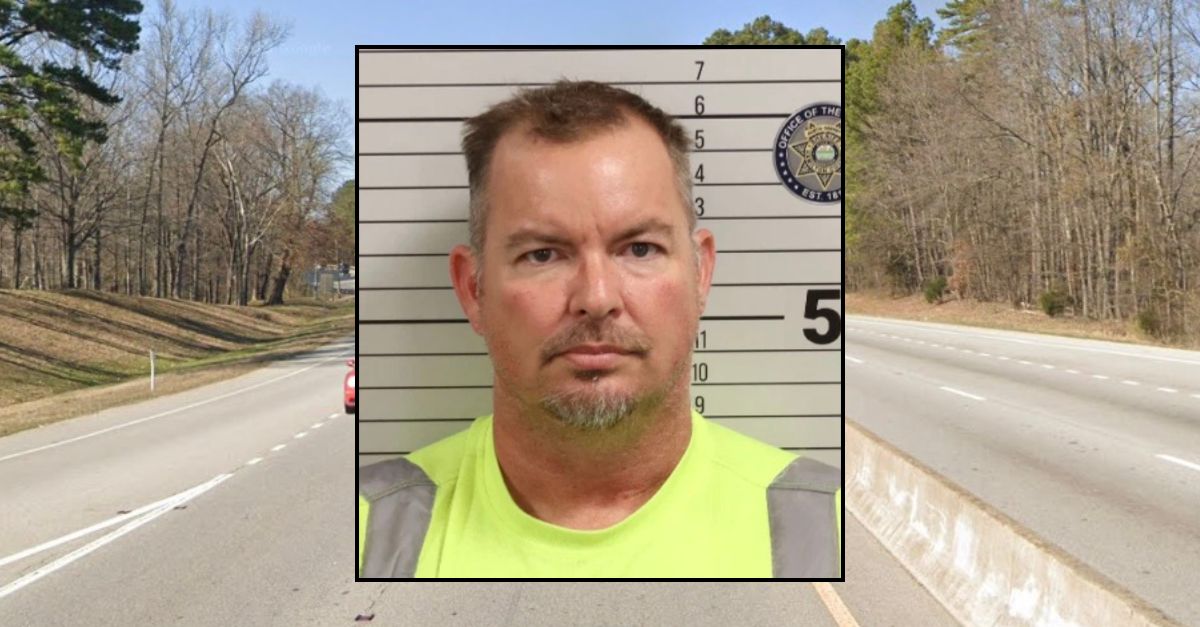
Jeffrey R. Brooks faces charges after shooting a 15-year-old in the spine during a road rage incident in Tennessee last month, leaving the victim paralyzed, according to police.
The shooting occurred during what authorities describe as a "rolling road rage incident" involving Brooks's pickup truck, which bore an American flag decal. The teenager sustained a spinal injury from the gunshot wound, resulting in permanent paralysis.
Brooks stands accused of aggravated assault with a firearm and other felony charges related to the shooting. The incident highlights the escalating dangers of road rage confrontations and the severe consequences when firearms enter traffic disputes.
The victim's paralysis represents a catastrophic outcome typical of spinal injuries caused by gunshot wounds. Medical experts note that vertebral damage at any level can result in permanent loss of motor function below the injury site. This injury trajectory transforms a momentary traffic dispute into a case involving lifetime disability and substantial medical costs.
Tennessee law treats shooting incidents during altercations as serious felonies. Aggravated assault with a firearm typically carries prison sentences ranging from 3 to 15 years, depending on the severity of injuries and defendant history. Additional charges may include reckless endangerment, assault, and weapons violations.
The case underscores broader patterns of armed road rage incidents across the United States. Law enforcement agencies increasingly report firearms involvement in traffic disputes, particularly in states with permissive gun laws and constitutional carry statutes. Tennessee permits permitless carry of handguns, removing licensing barriers that exist in other jurisdictions.
For the victim's family, civil litigation offers another avenue for accountability. Product liability claims against the vehicle manufacturer, negligent entrustment actions, and direct civil suits against Brooks for damages including medical expenses, lost earning capacity, and pain and suffering remain available under Tennessee tort law.
The incident raises questions about vehicle regulations and road safety. Some advocates