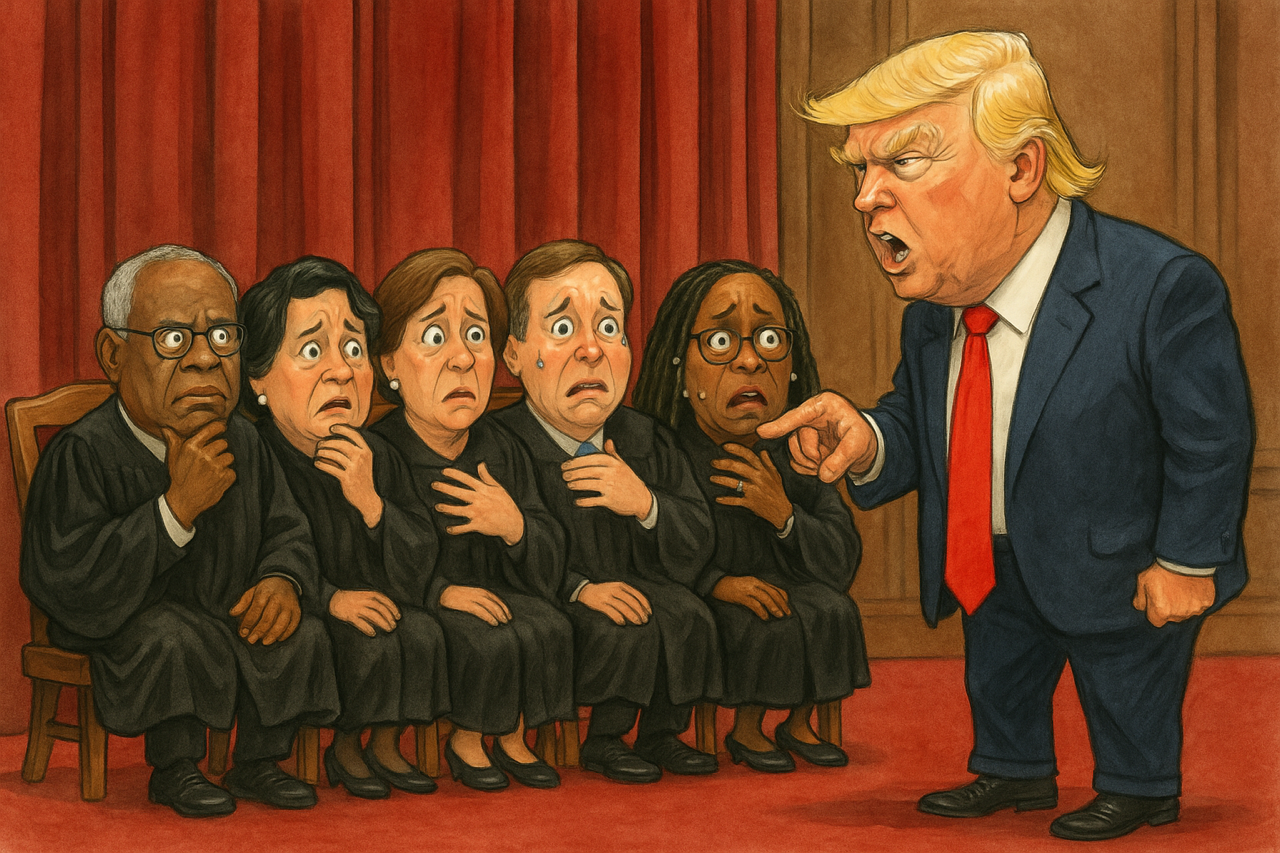
The American Bar Association has launched a discovery request seeking detailed information about Trump administration executive orders affecting large law firms. The ABA's inquiry targets the White House's records and communications regarding the specific directives issued to BigLaw firms.
The move reflects tension between the legal establishment and the Trump administration. Rather than building consensus through collaborative engagement, the administration's approach to BigLaw regulation appears confrontational enough to trigger formal discovery demands from the nation's primary legal trade organization.
Discovery in this context operates as a fact-finding mechanism, allowing the ABA to compel production of documents and communications related to the executive orders. This tactic signals the ABA's determination to obtain comprehensive information about the administration's regulatory intentions and any communications with affected firms about compliance requirements.
The substance of the executive orders remains contested. The ABA's aggressive discovery posture suggests the orders either lack transparency, contain provisions the legal profession views as problematic, or both. By demanding "the deets," as the reporting characterizes it, the ABA positions itself as an institutional check on executive action affecting its members.
For BigLaw firms themselves, this development creates dual exposure. The firms face compliance obligations under the executive orders while simultaneously potentially becoming subjects of ABA scrutiny. Partners and general counsels must now navigate not only regulatory requirements but also potential involvement in broader disputes between the profession's governing body and federal authorities.
The title's reference to the fly-catching aphorism suggests the administration's combative strategy alienates potential allies. The ABA's formal discovery request represents precisely the kind of institutional resistance that collaborative policymaking might have avoided. Instead of negotiating implementation details with willing partners, the administration now faces an organized adversary extracting information through formal legal mechanisms.
This pattern typically escalates disputes rather than resolving them. BigLaw firms caught between administration directives and ABA oversight face increasing compliance complexity and reputational exposure.
CATEGORY