# Federal Employee Protections Face Upheaval Following Supreme Court's Slaughter and Cook Ruling
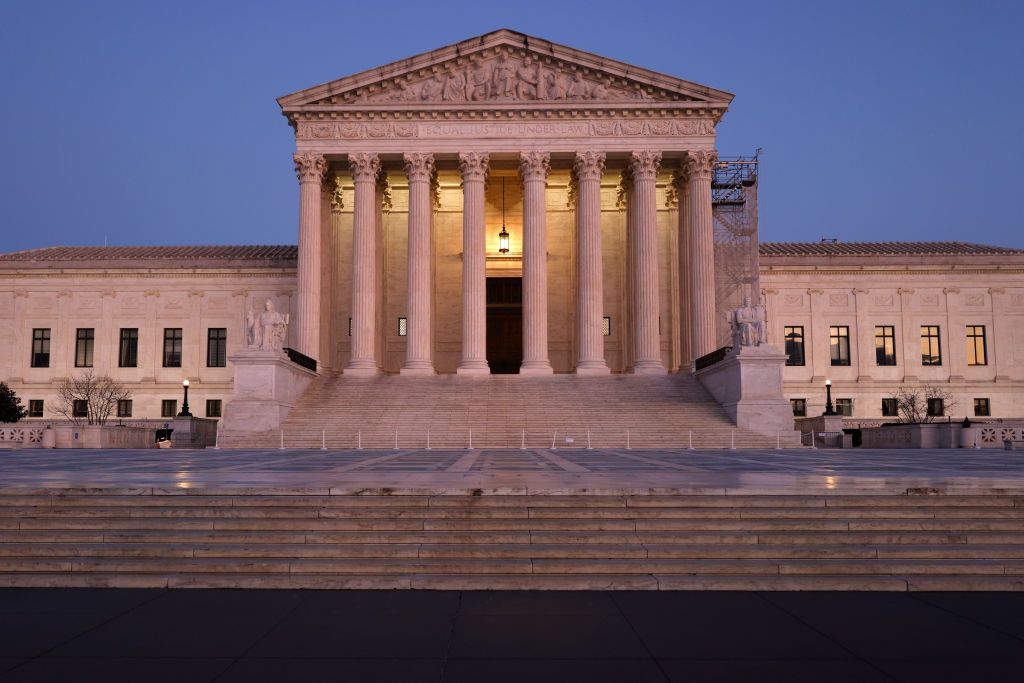
The Supreme Court's decision in Slaughter and Cook v. the Federal Government has opened a new battlefront over federal employee protections and executive power. The ruling narrows the scope of civil service protections that have shielded federal workers from arbitrary termination for decades.
The justices held that certain categories of federal employees lack the statutory protections previously assumed to apply government-wide. The decision effectively expands presidential authority to remove career civil servants without the procedural safeguards mandated by the Civil Service Reform Act of 1978 and related statutes.
Legal experts anticipate the ruling will trigger aggressive administrative action. The incoming administration signals intent to reclassify substantial portions of the federal workforce, potentially converting protected career positions into at-will employment roles. This reclassification strategy allows removal without cause or formal procedures, hence the reference to "midnight firings" in the opinion's shadow.
The practical implications are sweeping. Career officials in policy-making roles, intelligence agencies, and regulatory bodies now face employment instability previously unknown to federal service. Agencies that historically maintained nonpartisan expertise through civil service protections must now contend with politicized personnel management.
Legal challenges are inevitable. Public sector unions and government employee advocacy groups are already mobilizing constitutional claims based on due process and First Amendment retaliation theories. They argue that wholesale removal of experienced staff violates statutory notice and hearing requirements that Congress specifically enacted to depoliticize the federal bureaucracy.
The Slaughter and Cook precedent also invites litigation over the scope of the decision itself. Courts must now parse which employees retain protection and which do not. This categorical uncertainty creates immediate litigation risk for agencies attempting reclassification schemes.
For businesses and individual contractors relying on federal partnerships, the ruling introduces governance risk. Turn