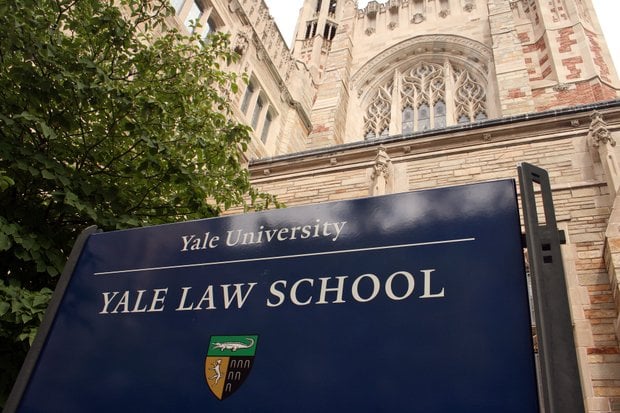
Yale Law School has called on Yale University's administration to take a stronger stance against Donald Trump, according to reporting from Above the Law. The law school's apparent frustration centers on what it characterizes as the university's insufficient response to Trump-related concerns or actions.
The article references Harvard University's approach as a contrasting example of institutional resistance. Harvard has taken what the reporting describes as more decisive action in addressing Trump-related matters, establishing a comparative standard that Yale Law School believes its parent institution should meet.
The specifics of Yale's alleged inaction remain limited in the available reporting, but the framing suggests tension between the law school and the university's central administration over institutional positioning on Trump-related issues. This dispute reflects broader debates occurring across American higher education institutions regarding their appropriate role in responding to political developments and figures.
Yale University's governance structure places ultimate authority with the university administration rather than individual schools. Yale Law School's public appeal indicates that internal discussions have not yielded satisfactory results for the law school's leadership or faculty.
The dispute carries implications for institutional autonomy within universities and the degree to which professional schools can influence their parent institution's public positions on political matters. It also reflects ongoing tensions in legal education regarding the role law schools and law professors should play in responding to controversial political figures and policies.
Yale Law School has historically positioned itself as a center for legal scholarship and public engagement. The school's apparent frustration suggests that faculty and leadership believe the university should adopt a more visible public position aligned with the school's institutional values.