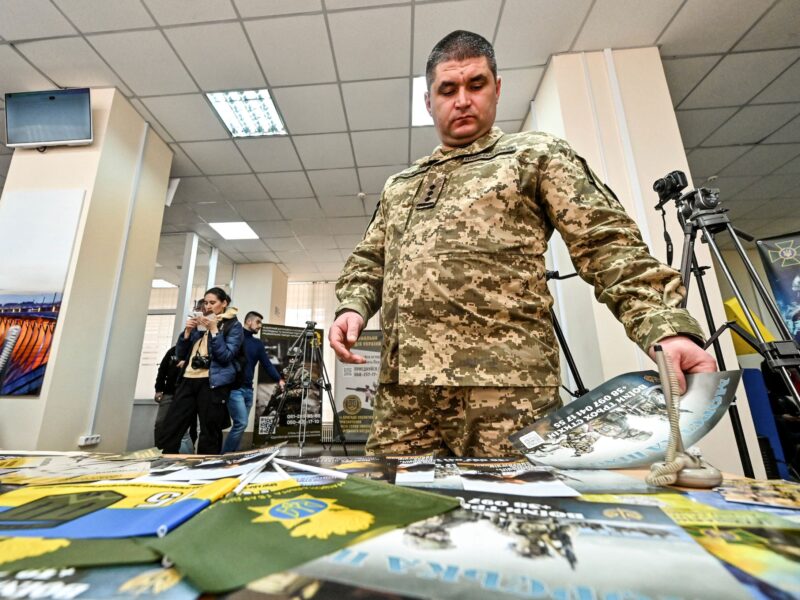
Ukraine's government has opened an investigation following a violent mob attack on a military conscription vehicle, intensifying tensions over the country's mandatory mobilization policies.
The incident underscores deepening social fractures over conscription enforcement. Ukrainian law requires men aged 25 and older to serve in the military, but implementation remains controversial. Citizens and families dispute both the selection process for conscription and the methods used by recruitment officers to enforce mobilization.
The attack on the conscription vehicle reflects broader public resistance to mandatory service operations. Mobilization officials face growing hostility when attempting to enforce draft orders, particularly in regions where communities question the fairness of selection criteria or the timing of conscription efforts.
Ukraine's government confronts a complex legal and administrative challenge. The country requires military personnel to sustain its defense operations, making conscription enforcement essential. However, the mandatory service system generates legitimate grievances about transparency, exemptions, and the burden distribution across the male population. Families struggle with the sudden removal of working-age men from households and businesses during wartime conditions.
The investigation signals official acknowledgment that conscription enforcement has become a law enforcement matter, not merely an administrative process. Authorities must balance military needs against public order and legal protections for citizens exercising protest rights versus their obligations under mobilization statutes.
This development carries implications for Ukraine's ability to sustain troop levels and military readiness while maintaining domestic stability. Repeated violent confrontations with recruitment officials could complicate future conscription operations and expose gaps in how the government communicates mobilization decisions to affected communities.
The investigation's findings will likely influence whether Ukraine adjusts conscription procedures, improves communication protocols, or implements additional enforcement mechanisms to reduce street-level confrontations.