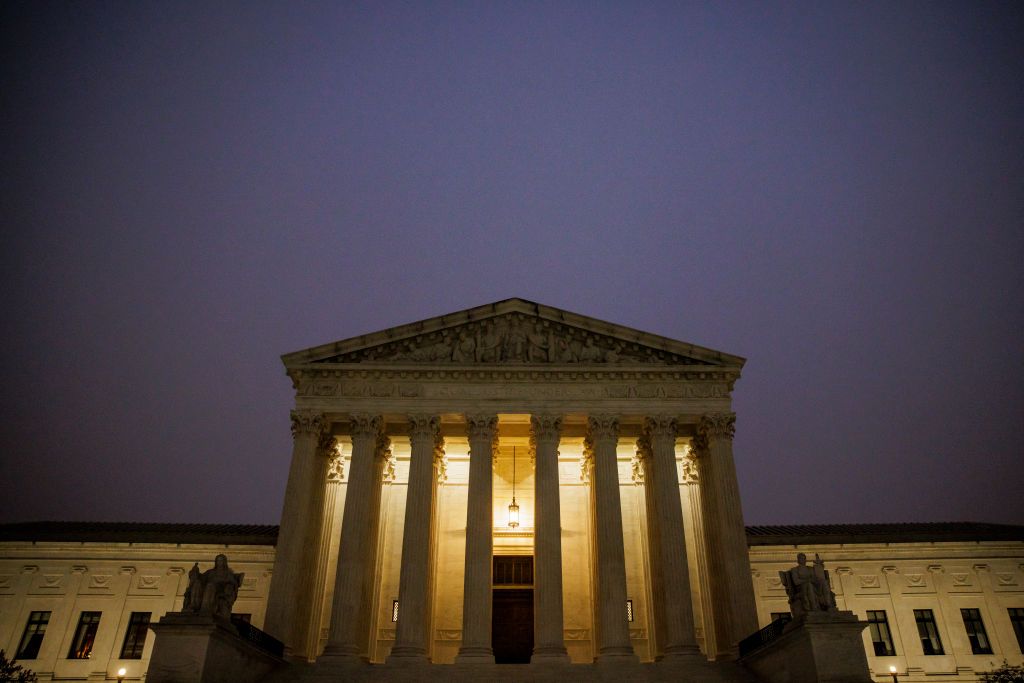
# Supreme Court's Emergency Docket Draws Scrutiny Over Strategic Case Selection
The Supreme Court faces renewed criticism over how it uses its emergency docket to resolve disputes without full briefing or oral argument. Legal observers worry that justices exploit this expedited process to decide cases favoring preferred outcomes.
The emergency docket, technically reserved for time-sensitive matters requiring immediate resolution, has expanded dramatically in recent years. Cases involving voting procedures, abortion access, and religious exemptions have all moved through this fast-track procedure. Critics contend that labeling cases "emergency" allows the Court to bypass standard deliberation and avoid public scrutiny.
SCOTUSblog reports that litigants strategically frame petitions as emergency matters to reach justices predisposed to their position. The Court's increasingly conservative majority has approved emergency relief in cases aligned with conservative positions on abortion, voting rights, and religious liberty. This pattern suggests justices may grant emergency status based on ideological alignment rather than genuine urgency.
The process raises procedural concerns. Cases decided on the emergency docket receive minimal written explanation. Parties submit shorter briefs. The Court offers no opportunity for oral argument. This compressed timeline prevents thorough airing of complex constitutional questions.
The 2020 election cycle amplified these concerns when the Court used emergency orders to address voting procedures in multiple states. More recently, shadow docket decisions affected abortion policy following the Dobbs decision overturning Roe v. Wade.
Legal scholars argue the emergency docket undermines the Court's legitimacy by creating appearances of outcome-driven jurisprudence. When the same bloc of justices repeatedly grants emergency relief in ideologically consistent cases, the Court looks less like an impartial arbiter and more like a super-legislature.
Some justices have privately expressed discomfort with the emergency docket's expansion. Yet the Court has resisted institutional reforms or