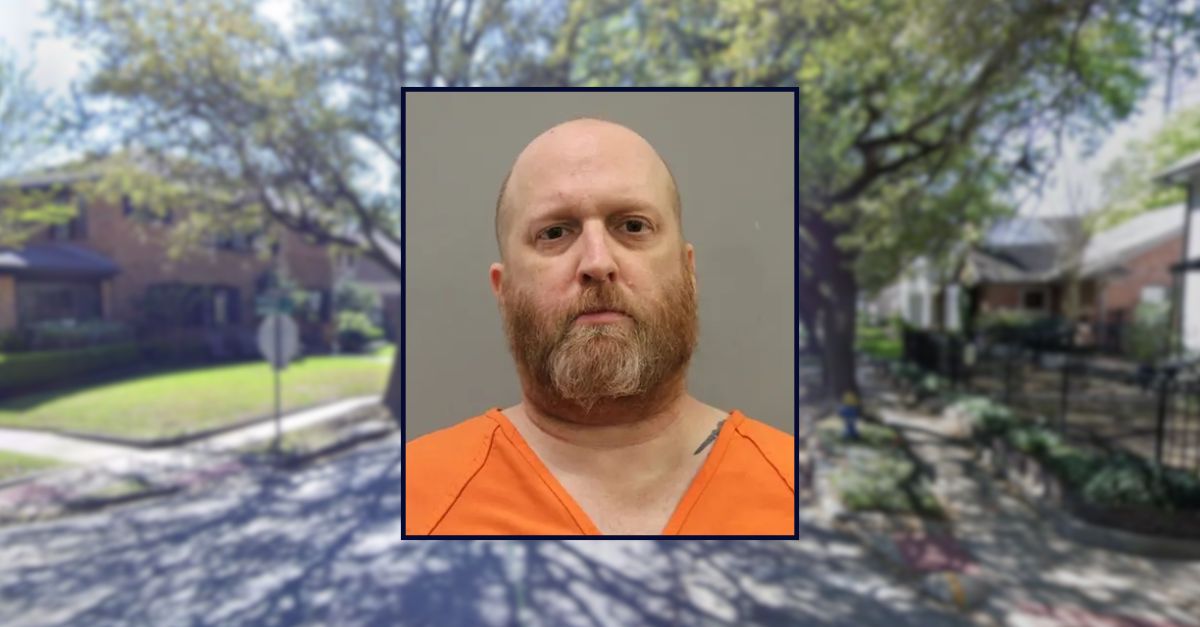
A criminal defense attorney faces homicide charges after shooting his roommate during a physical altercation at their shared residence. The defendant called 911 himself following the shooting, reporting to dispatchers that his roommate had attempted to gouge out his left eye during the confrontation.
Police have characterized the victim as the defendant's best friend and bodyguard. The circumstances surrounding the fatal shooting remain under investigation, with authorities examining whether the defendant's account of self-defense during the eye-gouging attack justifies the use of lethal force.
The case presents a complex legal scenario. The defendant's immediate 911 call supports a narrative of self-defense, as individuals acting in genuine fear for their safety typically report incidents to law enforcement. However, prosecutors must evaluate whether the force used—a shooting—was proportional to the threat posed by eye-gouging. State self-defense statutes vary, but most require that defensive force be necessary and reasonable under the circumstances.
The defendant's profession as a criminal defense attorney adds another layer to this case. His legal expertise does not automatically shield him from prosecution, nor does it guarantee credibility in his self-defense claim. Courts evaluate self-defense claims based on the totality of circumstances, including witness statements, physical evidence, forensic findings, and the spatial dynamics of the altercation.
Key factual questions remain unresolved. Did the defendant have reasonable grounds to believe death or serious bodily harm was imminent? Was the shooting the only available means of escape or defense? Did the roommate possess weapons? What prompted the physical fight?
The investigation will likely focus on forensic evidence, witness testimony if any exists, autopsy findings, and the defendant's statements to police. Prosecutors must determine whether charges will include murder, manslaughter, or potentially justified homicide. Defense counsel will likely argue the shooting constituted lawful self-defense under their jurisdiction's applicable statute.