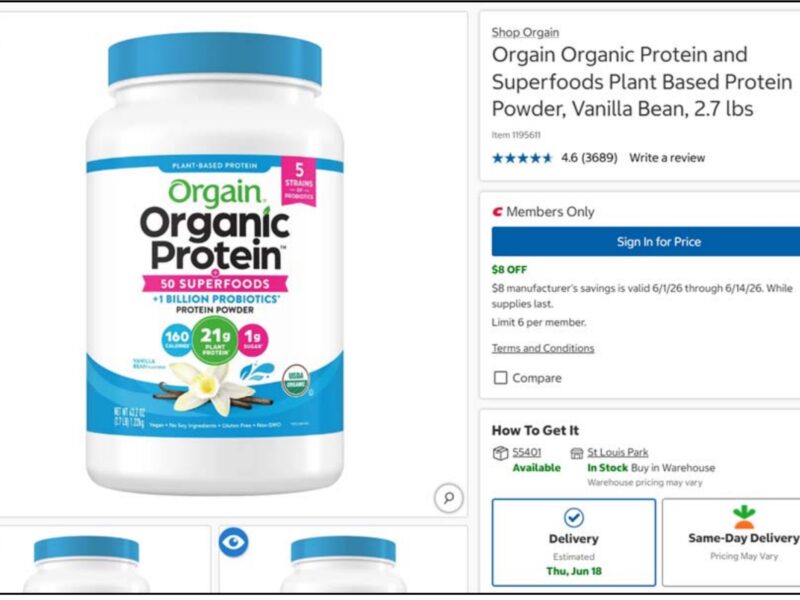
Costco faces a product liability lawsuit over protein powder allegedly contaminated with lead and arsenic. The complaint alleges the wholesale retailer sold the powders without adequate testing or disclosure of heavy metal contamination risks.
Protein powder supplements occupy a regulatory gap. The FDA does not pre-approve dietary supplements before they reach store shelves, unlike prescription drugs or medical devices. Instead, manufacturers bear responsibility for ensuring safety and accuracy of label claims under the Dietary Supplement Health and Education Act (DSHEA). The FDA can only intervene after products enter commerce if evidence surfaces of contamination or misleading marketing.
Plaintiffs argue Costco breached its duty to consumers by failing to test the powders for heavy metals before sale. Lead and arsenic present documented health risks, particularly with repeated consumption. Chronic exposure to these metals correlates with neurological damage, kidney problems, and cancer risk. Consumers purchasing supplements at a major retailer reasonably expect basic safety screening, the lawsuit contends.
The case highlights a persistent tension in dietary supplement regulation. Manufacturers and retailers operate with minimal pre-market oversight compared to other consumer products. Industry advocates argue this framework keeps supplements affordable and accessible. Consumer protection groups counter that the system creates opportunities for contamination to slip through without detection.
Costco's liability exposure depends on whether it knew or should have known about contamination, and whether it made affirmative claims suggesting safety testing occurred. If the retailer marketed the powders as tested or pure without conducting analysis, that conduct supports fraud liability. Negligence claims require showing Costco owed a duty to test and breached it by failing to do so.
This lawsuit joins a growing wave of heavy metal contamination claims against supplement retailers. Similar cases have targeted GNC, Vitamin Shoppe, and Amazon for selling tainted protein powders and botanical supplements. Settlements and judgments have reached millions of dollars