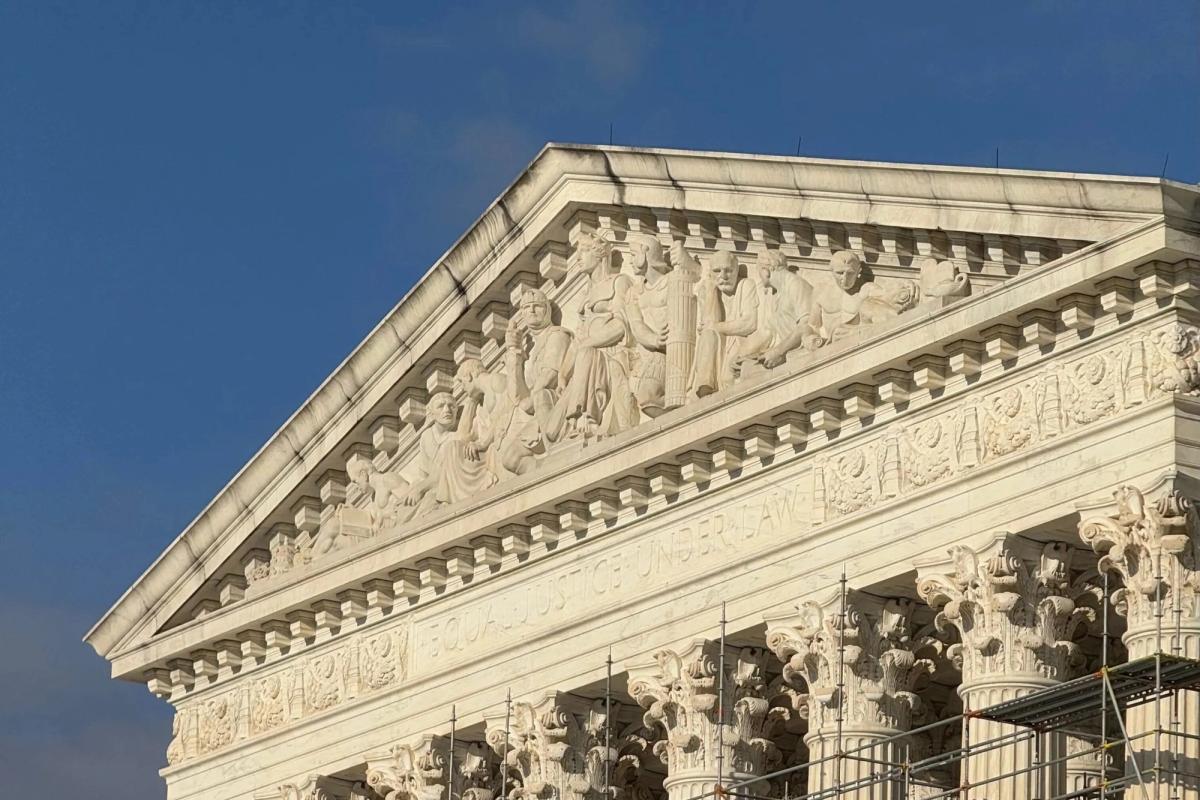
The Supreme Court delivered three major rulings on the final day of its 2023-2024 term, reshaping law across citizenship, education policy, and political spending.
The Court upheld the constitutionality of birthright citizenship under the Fourteenth Amendment, rejecting arguments that the citizenship clause requires parental lawful presence. This decision preserves automatic citizenship for children born in the United States regardless of their parents' immigration status, a protection affecting millions of Americans.
On transgender athlete participation, the Court cleared the way for states to enforce restrictions on transgender girls competing in school sports consistent with their sex assigned at birth. The ruling reversed a lower court decision that had blocked such policies, giving states substantial latitude to implement rules in this contested area.
The campaign finance ruling addressed federal contribution limits. The Court's decision upheld restrictions on contributions to candidates while striking down or modifying certain aggregate limits, continuing the Court's direction toward greater campaign spending access by wealthy donors and entities.
These three decisions reflect the ideological divides on the current bench. The birthright citizenship ruling preserved established law against a novel constitutional challenge. The transgender athlete decision expanded state power over school sports policy. The campaign finance ruling advanced the Court's long-standing skepticism of contribution restrictions, following Citizens United v. FEC.
All three rulings carry immediate practical consequences. Immigration advocates and civil rights groups mobilized against restrictions on birthright citizenship. Education administrators scrambled to implement new athletic eligibility policies. Political campaigns and advocacy groups recalibrated spending strategies under revised finance rules.
The rulings conclude an unusually consequential term marked by decisions on affirmative action, religious accommodation, and executive power. The Court returns in October 2024 with new cases on Section 230 immunity, the administrative state, and other contested issues.