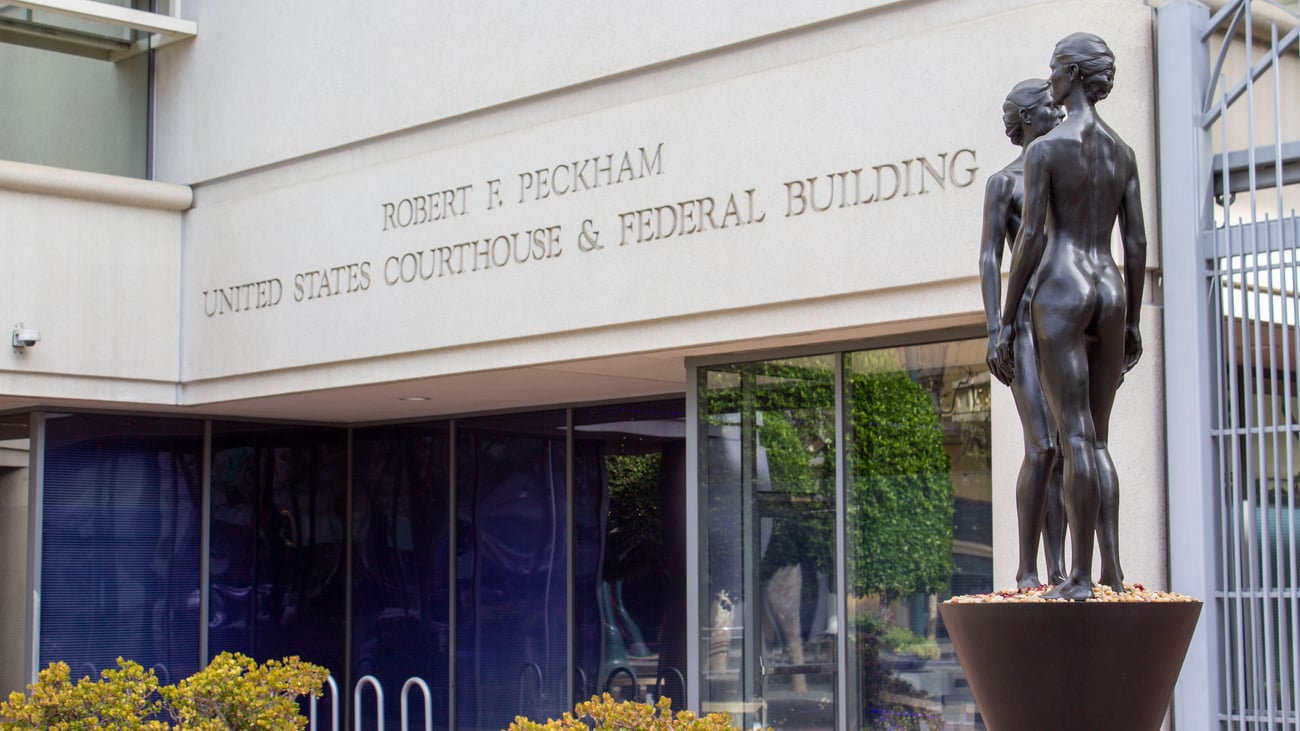
A magistrate judge in San Jose, California ordered U.S. Citizenship and Immigration Services (USCIS) to resume processing work permit applications after the agency had suspended intake of new filings. The order follows a separate federal court decision in Rhode Island that broadly rejected the agency's underlying policies.
The California magistrate's directive requires USCIS to return to normal application processing operations. The agency had halted intake of new work authorization applications, creating a backlog for applicants seeking employment authorization documents (EADs).
A federal judge in Rhode Island had previously issued a sweeping rebuke of USCIS policies, establishing the legal foundation for the magistrate's California order. That Rhode Island ruling found the agency's actions violated applicable law, though specific statutory violations remain tied to administrative procedure requirements and immigration statutes governing work permit eligibility and processing timelines.
USCIS operates under the Immigration and Nationality Act (INA) and must follow established procedures for adjudicating work authorization requests. The agency's suspension of intake represented a departure from standard operations and triggered legal challenges from applicants and advocacy groups arguing the halt violated their rights to administrative due process.
The resumption order carries immediate practical implications. Applicants with pending EAD applications will see their cases move through the adjudication pipeline. Employers relying on work-authorized employees face reduced uncertainty about hiring timelines. The ruling also signals judicial skepticism toward USCIS policy decisions that restrict access to the work authorization process without statutory authority.
USCIS may appeal the magistrate's ruling to the District Court level, but any appeal would face the obstacle of the Rhode Island federal judge's prior rejection of the agency's policy rationale. The agency could seek emergency stays pending appeal, though courts have already shown resistance to USCIS arguments defending the application freeze.
For immigration practitioners and their clients, the orders restore access to