# SCOTUS Preview: 2025-26 Term Docket Signals Major Cases Ahead
The Supreme Court's 2025-26 term will feature a docket reflecting deep divisions on constitutional power, individual rights, and federal authority. The Court has granted certiorari to numerous high-stakes cases that will reshape jurisprudence across multiple areas.
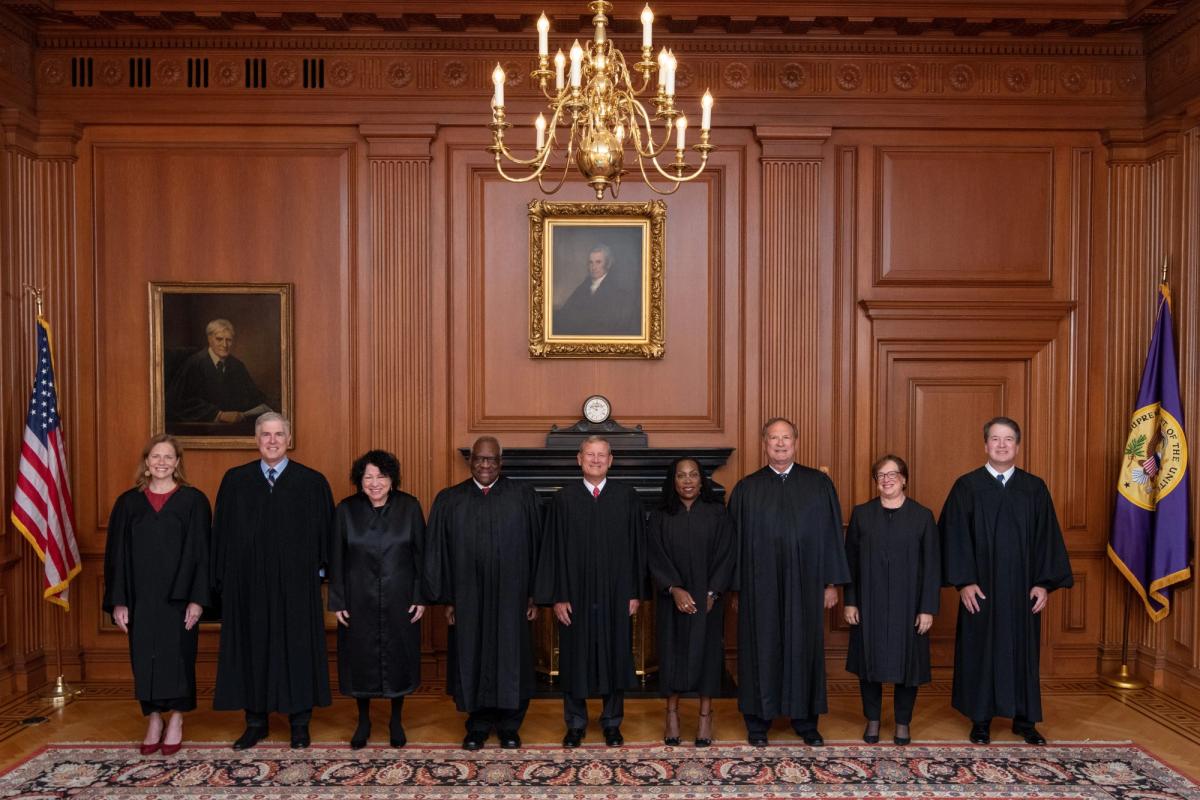
The term reflects the current ideological composition of the bench. Chief Justice John Roberts leads a 6-3 conservative majority, a fact evident in the cases selected for review. The docket includes disputes on executive power, statutory interpretation, administrative law, and individual liberties that have generated sharp disagreement among lower courts.
Several cases touch on presidential authority and the scope of executive privilege. Others examine the limits of federal regulatory agencies under the Administrative Procedure Act following the Court's 2024 decision in Loper v. Raimondo, which tightened standards for judicial deference to agency interpretations.
Religious liberty cases dominate another segment of the docket, consistent with the Court's recent trajectory toward expanding constitutional protections for religious exercise. These cases pit state regulations against claims of religious conscience across diverse contexts.
Criminal procedure and Second Amendment cases round out significant portions of the term's agenda. The criminal docket includes challenges to sentencing statutes and prosecutorial practices. Second Amendment disputes test the boundaries of permissible gun regulations following New York State Rifle and Pistol Association v. Bruen (2022).
Notably, the docket includes fewer cases touching race and affiliation discrimination than in recent terms, following the Court's 2023 decision striking down race-conscious college admissions in Students for Fair Admissions v. Harvard.
The numerical composition of cases assigned to different subject areas provides insight into the Court's priorities and reflects which disputes the justices consider sufficiently mature for resolution. The term preview signals continued doc