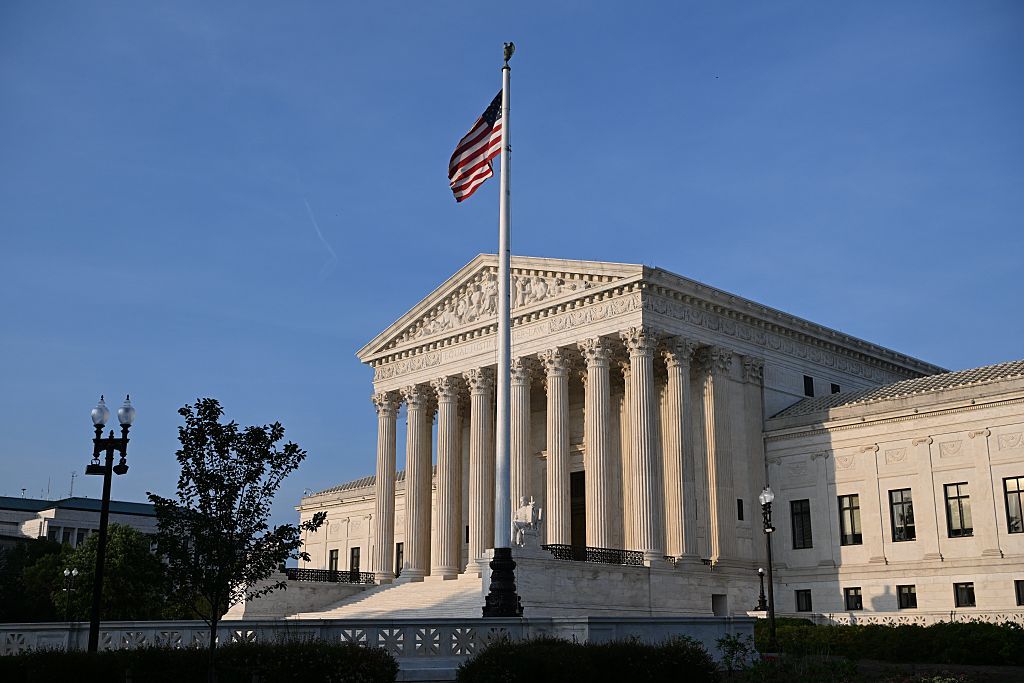
# Supreme Court's Most Consequential Decisions: A Reassessment
Legal scholars and practitioners routinely cite the same handful of Supreme Court decisions as the most consequential in American jurisprudence. Marbury v. Madison, Brown v. Board of Education, and Miranda v. Arizona dominate the canon. But a fresh examination reveals that this conventional wisdom misses cases whose actual doctrinal reach and practical impact on law and society prove far deeper than traditional rankings suggest.
The standard hierarchy reflects institutional mythology more than rigorous analysis. Marbury v. Madison, typically crowned the most important case, established judicial review in 1803. But scholars now argue that cases like Gibbons v. Ogden, which defined the scope of Congress's Commerce Clause power, shaped federal authority far more directly and durably. Brown's moral and political weight remains undeniable, yet cases like United States v. Darby Lumber Co. and Wickard v. Filburn fundamentally restructured the relationship between federal and state power in ways most Americans never recognize.
The reassessment reflects evolving metrics. Prominence in law school curricula, popular historical memory, and cultural resonance once determined ranking. Modern analysis weighs doctrinal durability, citation frequency across generations of cases, and measurable effects on law and policy. By these standards, Commerce Clause cases and Fourteenth Amendment interpretations gain prominence while some celebrated decisions lose ground.
This recalibration matters for legal practice. Attorneys advising on regulatory compliance, constitutional challenges, and federalism disputes rely on foundational case law. Misjudging which precedents truly carry weight risks missing controlling authority or misunderstanding doctrinal trajectory.
The inquiry also exposes how courts and commentators construct narratives about constitutional meaning. Cases gain stature through selective emphasis and institutional repetition rather than mechanical application of objective criteria.