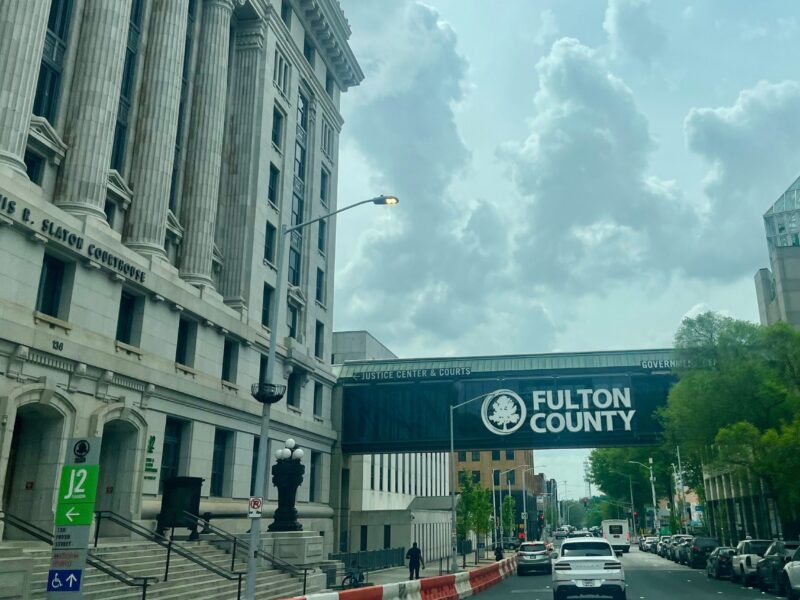
A federal judge rejected Donald Trump's demand for personal information identifying all election workers who processed votes in Fulton County, Georgia during the 2020 presidential election. The subpoena sought names, addresses, phone numbers, and employment histories for every worker involved in ballot counting and certification.
Trump issued the subpoena as part of his legal defense in the Georgia election interference case. His legal team argued the information was necessary to investigate alleged fraud in the county. Fulton County election officials opposed the demand, citing safety risks to workers and the absence of evidence supporting Trump's claims.
The judge found Trump failed to demonstrate legitimate grounds for obtaining the personal data. The court noted that Trump's allegations of election fraud in Fulton County lack evidentiary support. Granting the subpoena would expose election workers to potential harassment and threats without a valid legal purpose.
This ruling reflects ongoing judicial scrutiny of Trump's post-2020 election claims. Multiple courts have dismissed similar challenges to the election results across different jurisdictions. Federal and state judges have consistently found no credible evidence of fraud affecting the outcome.
The decision protects election workers from doxxing and potential intimidation while maintaining the integrity of the judicial process. Courts have increasingly recognized that broad information demands based on unsubstantiated election fraud claims create real safety risks for public employees simply performing their jobs.
Trump faces multiple legal challenges related to his efforts to overturn the 2020 election results, including the Fulton County case brought by Fulton County District Attorney Fani Willis. That case includes charges related to alleged racketeering and conspiracy to overturn the election in Georgia.
This order underscores judicial limits on discovery requests when no viable legal claim supports them. Election workers nationwide have reported increased harassment following Trump's election fraud allegations, making judicial protection of their identities increasingly important.