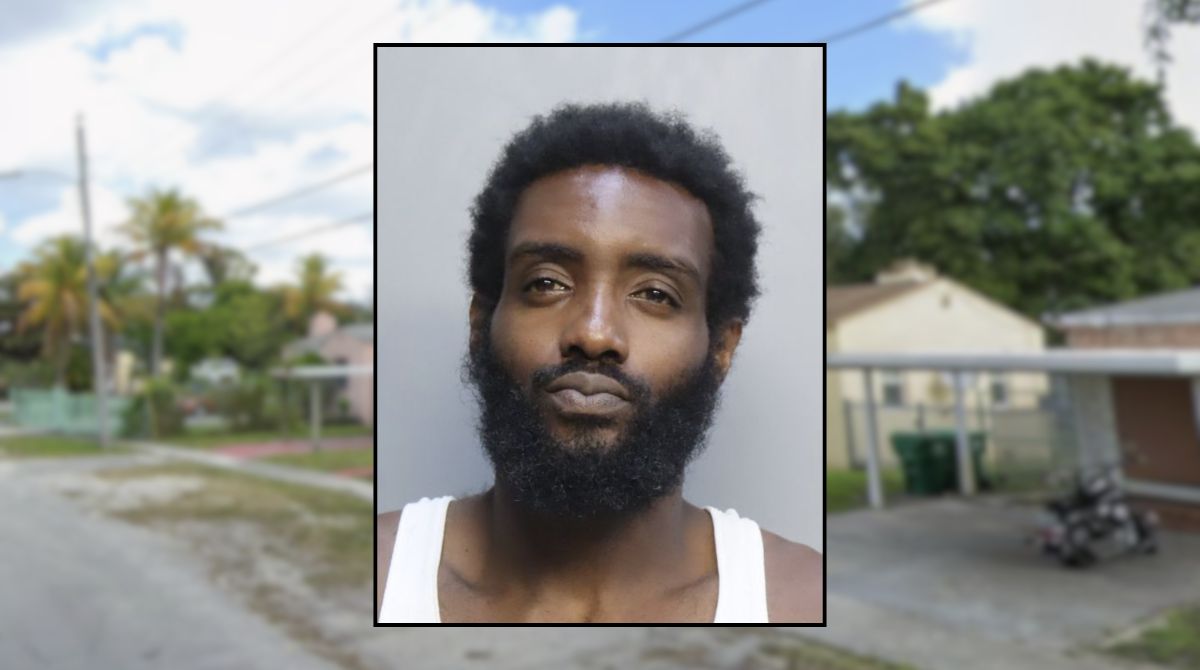
A man shot and killed his roommate following a dispute over household dominance, according to police reports. The shooter, identified as Grant, told investigators that conditions in the shared home remained stable until the victim, Pringle, moved in and began asserting control over the residence. Grant stated to police, "You can't come in and dominate the house."
The fatal shooting occurred after escalating tensions between the two roommates. Grant's statement to law enforcement, "I over-killed him, right?" suggests he acknowledged the shooting but may have questioned whether his response was proportionate to the circumstances.
The case involves a homicide investigation centered on whether Grant's actions constitute murder, manslaughter, or a justifiable use of force. The critical legal question turns on whether Grant acted in self-defense or whether he used excessive force in response to Pringle's alleged attempts to control the household environment.
Self-defense claims in homicide cases require that the defendant reasonably believed deadly force was necessary to prevent imminent harm. Courts examine whether the force used was proportionate to the threat posed. Grant's own statement about "over-killing" may complicate his self-defense argument, as prosecutors could argue it demonstrates consciousness of guilt or acknowledgment that his response exceeded what the situation warranted.
The jurisdiction's homicide statutes will determine potential charges. Most states distinguish between first-degree murder, second-degree murder, and manslaughter based on intent and premeditation. A voluntary manslaughter charge might apply if the shooting occurred during a heated argument without premeditation.
This case illustrates the legal complexities surrounding roommate disputes that turn violent. Shared living spaces create heightened tensions and frequent conflicts over space, privacy, and household rules. The outcome depends heavily on forensic evidence, witness testimony, and whether Grant can establish a legitimate self-defense claim or whether prosecutors prove the shooting was disproportionate to