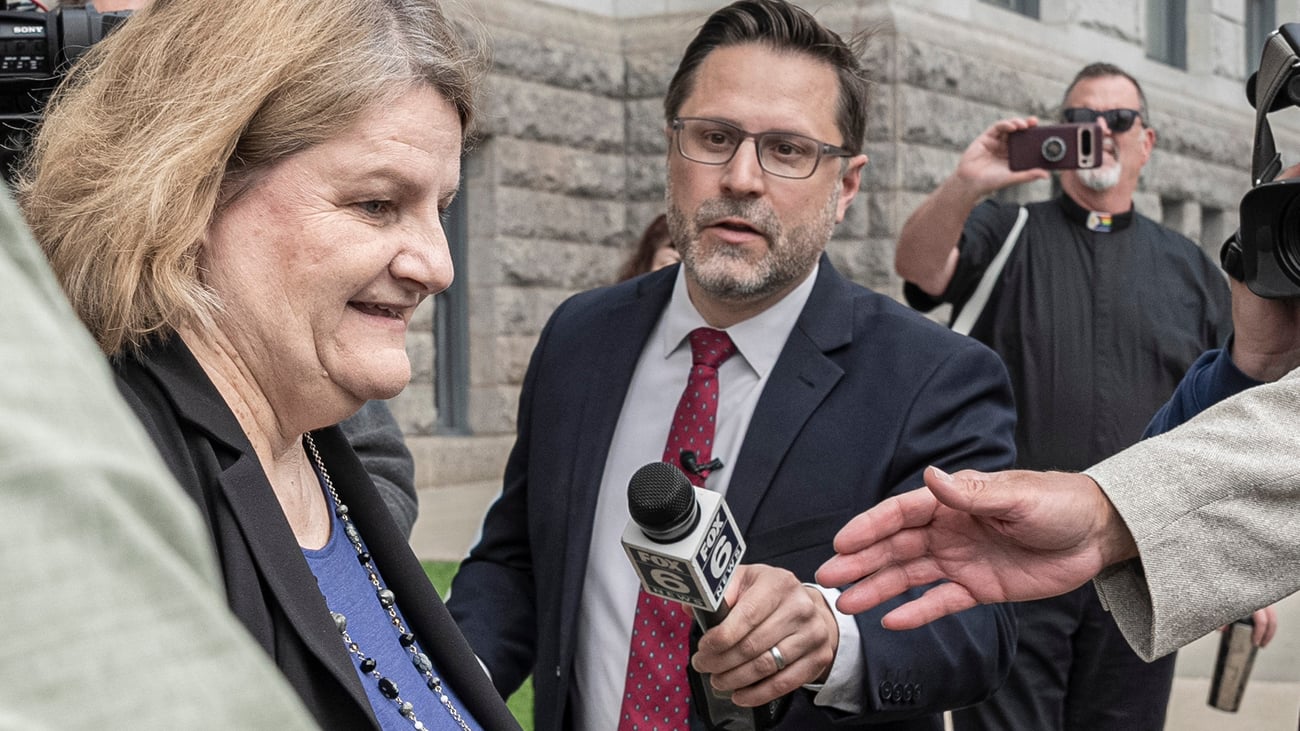
Judge Hannah Dugan, a former Milwaukee judge, received a $5,000 fine following her December 2025 conviction for obstructing an Immigration and Customs Enforcement operation. The obstruction occurred at the county courthouse when ICE agents conducted enforcement activities near Dugan's courtroom.
The case centers on Dugan's interference with federal immigration agents executing their duties within the judicial building. Courts have long grappled with the tension between judicial independence and federal law enforcement authority, particularly when immigration operations occur on courthouse grounds. Judges retain substantial discretion over their courtrooms but face legal limits when attempting to block federal agents from performing lawful enforcement outside those spaces.
Dugan's conviction under obstruction charges reflects the judiciary's vulnerability to criminal prosecution when officials exceed their authority. Federal prosecutors argued that Dugan's actions went beyond legitimate judicial management and crossed into unlawful interference with federal agents. The specific facts regarding how she obstructed the ICE operation remain central to understanding the conviction's scope.
This case carries implications for courthouse security and the balance between protecting access to justice and permitting federal enforcement. Some judges have sought to restrict ICE operations at courthouses, citing concerns that immigration enforcement near judicial premises deters immigrant populations from participating in court proceedings. Others have questioned whether judges possess authority to prevent such enforcement.
The $5,000 penalty suggests the court viewed Dugan's conduct as serious but not warranting incarceration. Her conviction establishes that judicial officers cannot unilaterally block federal law enforcement from courthouse grounds without legal justification. The outcome provides guidance for judges nationwide facing similar conflicts between their courtroom authority and federal agency operations.
Milwaukee County and the federal judiciary will likely monitor how this conviction affects judge-ICE interactions going forward. The case underscores that judicial position does not confer immunity from federal criminal statutes, even when judges act believing they protect court operations.