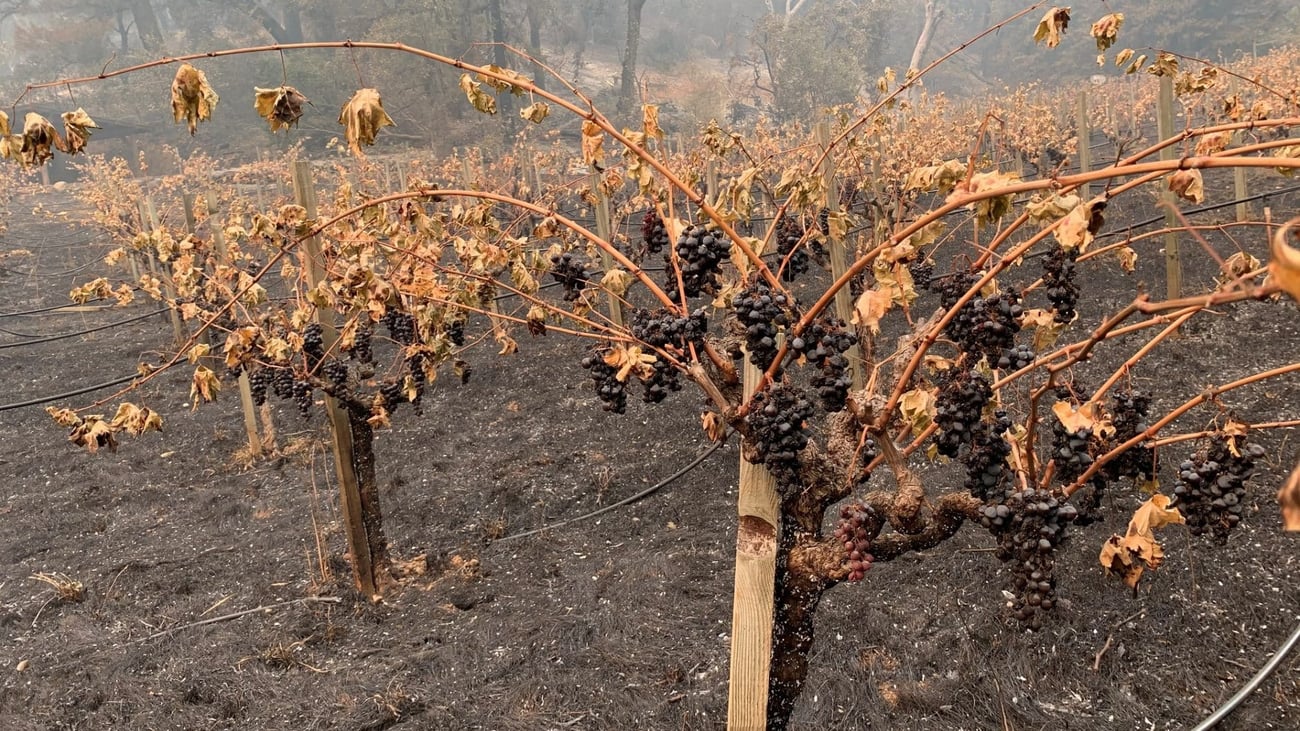
Climate change threatens to reshape California's wine industry through shifting growing conditions that favor northern and coastal regions while undermining traditional vineyard areas. Researchers studying temperature and precipitation patterns project that Napa and Sonoma counties, which generate billions annually for the state economy, will face reduced suitability for premium grape cultivation by 2100.
The analysis indicates rising temperatures will push optimal wine-growing zones northward and toward higher elevations. Mendocino and Monterey counties may emerge as more viable locations for viticulture as conditions currently suited to Napa and Sonoma migrate upward in latitude and altitude. Precipitation changes compound the challenge, affecting both water availability and grape quality metrics critical to wine production.
This shift carries profound implications for agricultural property values, business planning, and regional economies dependent on wine tourism and production. Vineyard owners in traditional regions face decisions about replanting schedules, varietal selection, and long-term investments. Insurance and financing for agricultural operations will likely incorporate climate risk assessments. Local governments in wine-country communities that derive substantial tax revenue from wineries and related tourism must prepare for economic transition.
The research underscores how climate change functions as a property and contract law issue. Landowners must weigh whether current plantings remain economically viable. Long-term agricultural leases and purchase agreements increasingly require climate resilience language. Water rights disputes will intensify as regions compete for scarce irrigation resources.
California's wine industry represents approximately 3.5 million acres of vineyard and generates over $50 billion annually in economic value. The industry also supports over 330,000 jobs statewide. Adaptation requires regional planning at the county level, investment in research for climate-resilient varietals, and potentially protective legislation addressing agricultural adaptation in climate-vulnerable areas.
Vineyard operators, real estate investors, and agricultural lenders should reassess long-term viability