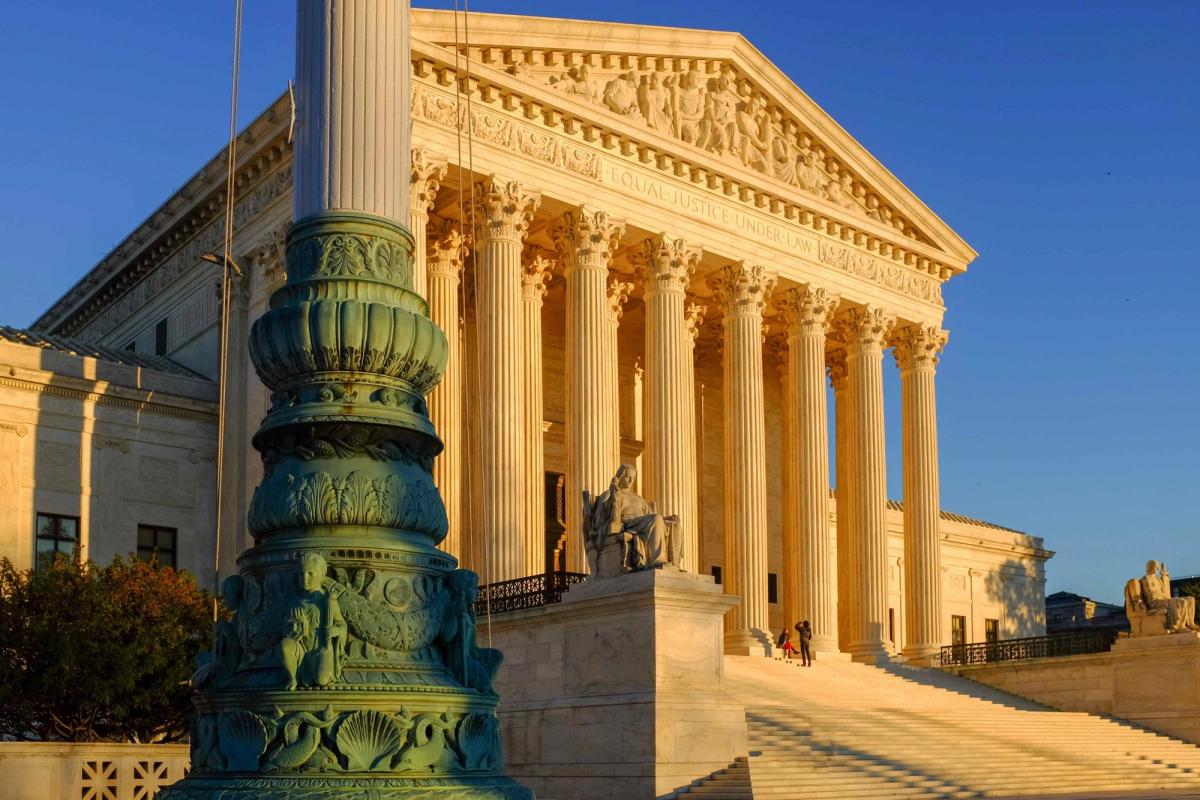
# Birthright Citizenship Ruling Preserves Constitutional Framework
The Supreme Court declined to overturn birthright citizenship protections in a decision that reaffirmed longstanding constitutional interpretation. The majority opinion stated the court would not revisit established precedent on this contentious constitutional matter.
Birthright citizenship grants automatic citizenship to individuals born within U.S. territory, regardless of parental citizenship status. The doctrine stems from the Fourteenth Amendment's citizenship clause, ratified in 1868. The amendment states: "All persons born or naturalized in the United States, and subject to the jurisdiction thereof, are citizens of the United States."
Challengers to the policy argued the amendment's "subject to the jurisdiction thereof" language created exceptions for children of undocumented immigrants or temporary visa holders. They contended Congress possessed authority to define jurisdiction narrowly and thereby restrict citizenship grants.
The Court's majority rejected this interpretation. The justices maintained that the phrase "subject to the jurisdiction thereof" applies only to foreign diplomats and potentially invading armies. Historical context from the Reconstruction era supports reading the clause broadly to ensure formerly enslaved individuals and their children received full citizenship protections.
This ruling carries profound implications for immigration policy and citizenship law. Approximately 250,000 to 350,000 children born to undocumented parents annually become U.S. citizens under birthright citizenship rules. Immigration advocates secured a major victory preventing restrictions that would have created a stateless population within the country. Congressional action would remain necessary to alter birthright citizenship protections.
The decision reflects the Court's institutional deference to longstanding constitutional interpretation. No justice voted to eliminate birthright citizenship entirely, though the Court's conservative majority has shown receptiveness to immigration restriction arguments in other contexts. The ruling demonstrates limits to judicial willingness to overturn century-old constitutional doctrines absent extraordinarily persuasive arguments.
Federal lawmakers