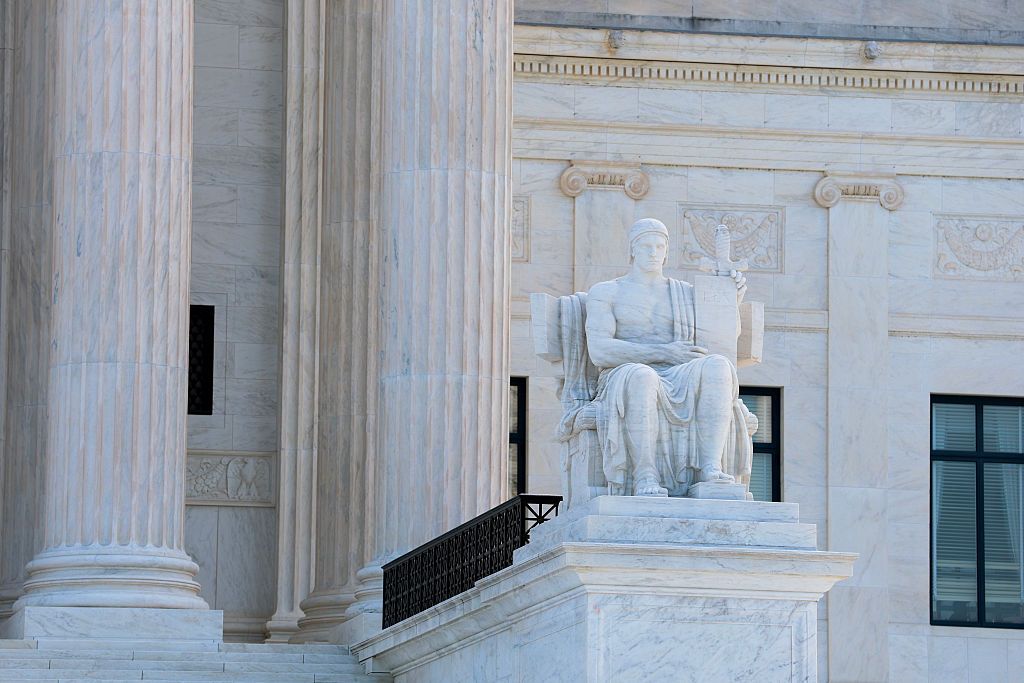
The Supreme Court has narrowed the scope of aiding and abetting liability in federal criminal law, potentially reshaping how prosecutors pursue accomplice charges across the nation.
The ruling addresses the legal standard for when one person becomes criminally liable for assisting another in committing a federal crime. Previously, courts applied varying tests to determine liability, creating inconsistency in how aiding and abetting charges proceeded through the federal system. The Supreme Court clarified that a defendant bears liability for aiding and abetting only when that defendant acts with knowledge of the principal crime's specific circumstances and with intent to facilitate it.
This decision eliminates more expansive theories prosecutors have relied on. Under prior doctrine, some circuits permitted liability based on recklessness or general knowledge that a crime might occur. The Court rejected this approach, requiring prosecutors to prove the defendant knowingly assisted and intended to help the principal actor commit the specific offense charged.
The practical implications affect prosecutions nationwide. Federal prosecutors must now meet a higher evidentiary bar when pursuing accomplice liability cases. Juries receive clearer instructions on what mental state satisfies the aiding and abetting standard. Defense counsel gains stronger ground to challenge accomplice charges that rest on circumstantial evidence of presence, companionship, or concert of action alone.
Cases involving gang violence, drug trafficking conspiracies, and organized crime potentially face complications. Prosecutors cannot rely on implied intent or recklessness; they must affirmatively prove the defendant's knowledge and purposeful assistance. Defendants previously convicted under the broader standard may have grounds for habeas corpus relief if the Court's reasoning applies retroactively.
The ruling addresses a fundamental tension in federal criminal law. Accomplice liability serves important prosecutorial interests by holding those who facilitate crime accountable alongside principals. Yet overly expansive theories risk ensnaring individuals who lacked genuine criminal intent. The Court balanced these concerns by anchoring liability to