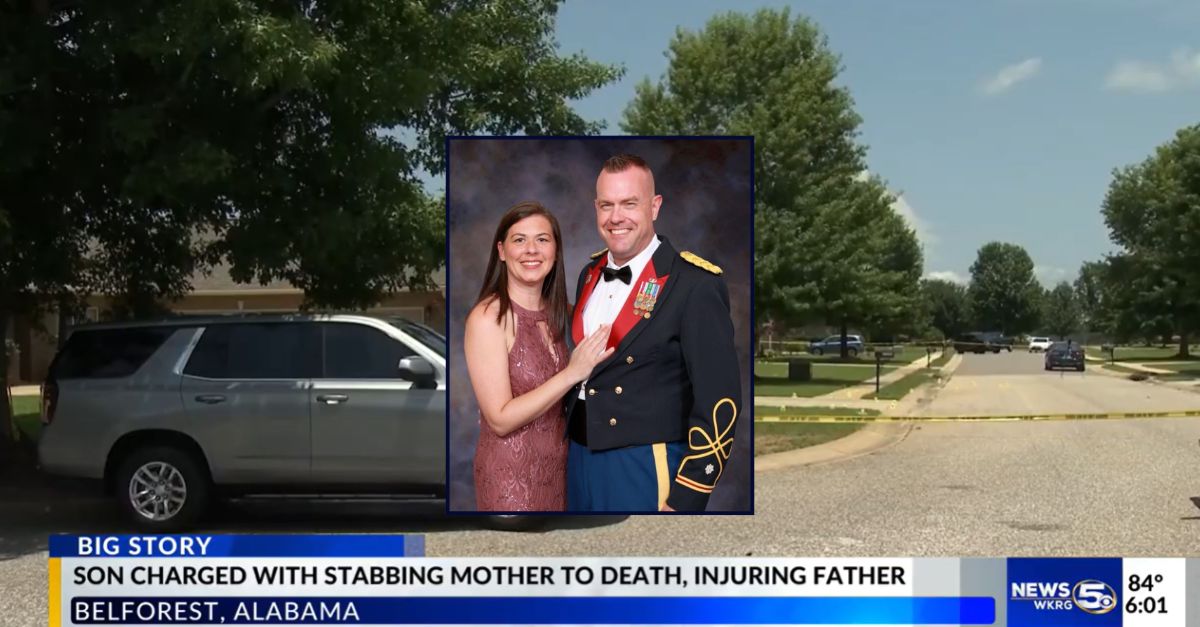
A 17-year-old Alabama teenager faces murder and assault charges after allegedly stabbing both parents in their home. The attack killed the mother and left the father severely wounded. Police say the father fled to multiple neighbors' homes, leaving bloody handprints on their doors as he desperately sought assistance.
Law enforcement responded to the scene and took the teenager into custody. The father survived his injuries and cooperated with investigators. Authorities have not disclosed the motive for the violent attack or any prior incidents involving the family.
The case raises juvenile justice questions specific to Alabama law. At 17, the teenager falls under state jurisdiction for violent felonies, though prosecutors will determine whether to seek certification as an adult. Adult certification decisions turn on factors including the severity of the crime, prior criminal history, and amenability to rehabilitation within the juvenile system. First-degree murder allegations typically invite such certification in cases involving fatalities.
This incident reflects broader patterns in family violence homicides. Domestic stabbing deaths account for a significant portion of intimate partner and familial murders nationwide. The brutal nature of the attack, evidenced by the father's blood trail across the neighborhood, underscores the lethality of knife violence within households.
Alabama law permits murder charges against juveniles but requires careful procedural handling. Juvenile court proceedings differ from adult criminal trials in confidentiality protections, sentencing options, and rehabilitation focus. If certified as an adult, the teenager faces potential life imprisonment or capital prosecution depending on final charges and aggravating factors prosecutors identify.
The investigation continues as authorities gather forensic evidence and witness statements. Neighbors who received the father's pleas for help may provide testimony regarding the timeline and the severity of his injuries. The case will proceed through Alabama's criminal justice system, with significant decisions pending on certification and charging authority resting with prosecutors in the relevant county circuit court.