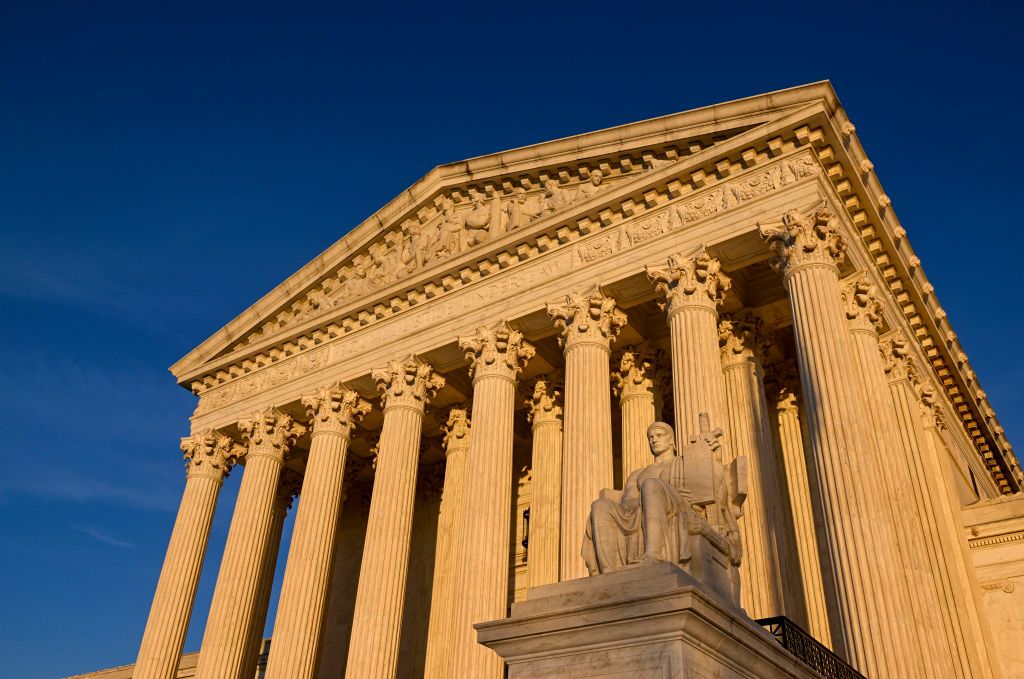
# The Supreme Court's Approach to Federal Spending Under Scrutiny
The Supreme Court has adopted a permissive stance toward federal spending that raises constitutional concerns, according to legal observers analyzing recent jurisprudence on the Spending Clause.
Under Article I, Section 8 of the Constitution, Congress possesses power to tax and spend for the general welfare. The Court's modern interpretation of this authority grants lawmakers broad latitude to condition federal funds on state compliance with federal objectives, even when those conditions regulate matters traditionally reserved to states.
The practical effect allows Congress to leverage spending power as a coercive tool. States accepting federal grants must comply with attached conditions, whether those conditions relate directly to the grant's purpose or extend into unrelated regulatory domains. The Court established this framework in South Dakota v. Dole (1987), requiring only that conditions be unambiguous, related to federal interests, and not so coercive as to constitute economic duress.
Critics argue the Court applies this last prong with excessive deference to Congress. When Congress threatens to withdraw existing federal funds unless states adopt federal policy preferences, the coercion often proves implicit rather than explicit. States face genuine pressure to capitulate because federal dollars fund essential services like healthcare, education, and infrastructure.
The disturbing element lies in the Court's failure to police this conditioning mechanism rigorously. By treating spending conditions as essentially unreviewable, the Court permits Congress to accomplish indirectly what the Tenth Amendment forbids directly. A regulatory mandate imposed through spending conditions bypasses normal federalism constraints that would constrain a direct federal directive.
Legal scholars warn this approach inverts constitutional hierarchy. Rather than Congress justifying spending conditions against constitutional limits, courts defer to congressional judgment about what conditions serve federal interests. The burden shifts improperly onto states challenging funding restrictions.
Recent decisions reinforce this permissive posture, suggesting the Court remains unlikely to revit