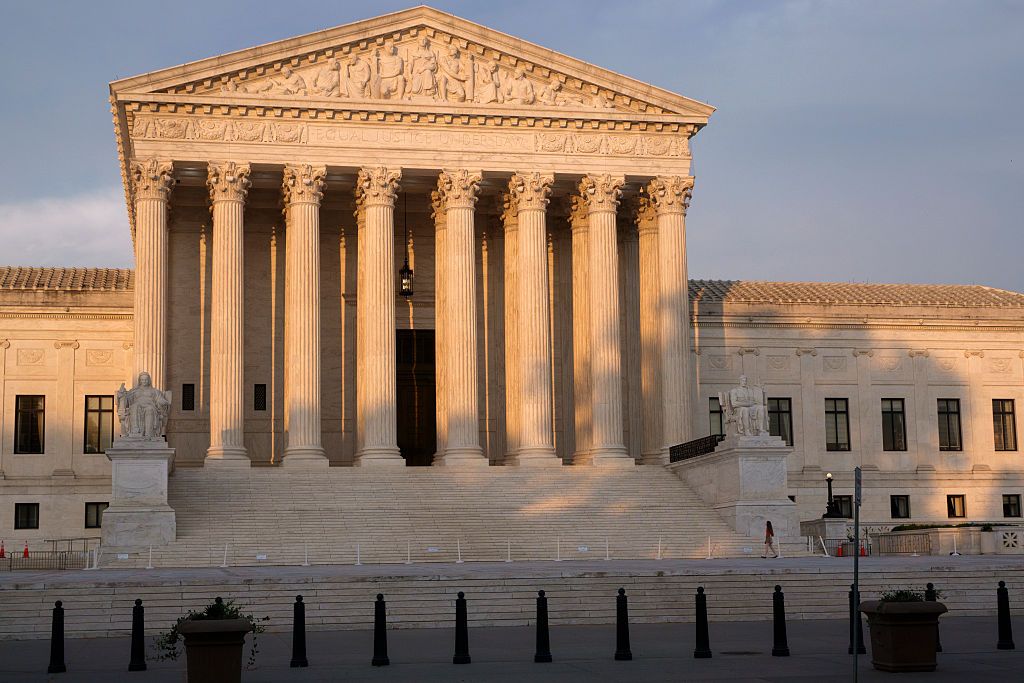
The U.S. Supreme Court has lifted a lower court's block on Texas Senate Bill 1782, a law requiring age verification and parental consent before minors can access social media applications. The decision allows Texas to enforce the statute immediately while legal challenges proceed through federal courts.
SB 1782 mandates that social media platforms implement age verification systems and obtain verifiable parental consent before permitting users under 18 to create accounts. The law defines "social media" broadly to include any online platform with algorithms that recommend content to users. Platforms that violate the requirements face civil penalties and potential restrictions on their operations within Texas.
A federal district court previously issued a preliminary injunction blocking enforcement, finding the law likely violated the First Amendment rights of both platforms and users. The court reasoned that age verification requirements could impose substantial burdens on platforms and that parental consent rules might infringe on minors' constitutional speech rights.
The Supreme Court's action reversed that injunction without issuing a written opinion, allowing enforcement to proceed. This decision reflects the Court's recent deference to state attempts to regulate social media, particularly regarding child safety. The move signals judicial receptiveness to arguments that protecting minors from harmful online content serves a compelling state interest.
The ruling affects major platforms including TikTok, Instagram, YouTube, and Snapchat, which now must comply with Texas requirements or face enforcement actions. Platforms challenging the law argue implementation costs prove prohibitively expensive and that age verification systems compromise user privacy. They contend the statute impermissibly restricts lawful adult speech by limiting platform algorithms' reach.
This decision joins similar state efforts to regulate social media, including age verification laws in Arkansas and Utah that face parallel legal challenges. The Texas case will continue in federal court, where the underlying constitutional questions remain unresolved. The Supreme Court's provisional approval suggests growing judicial confidence in state regulatory power over digital