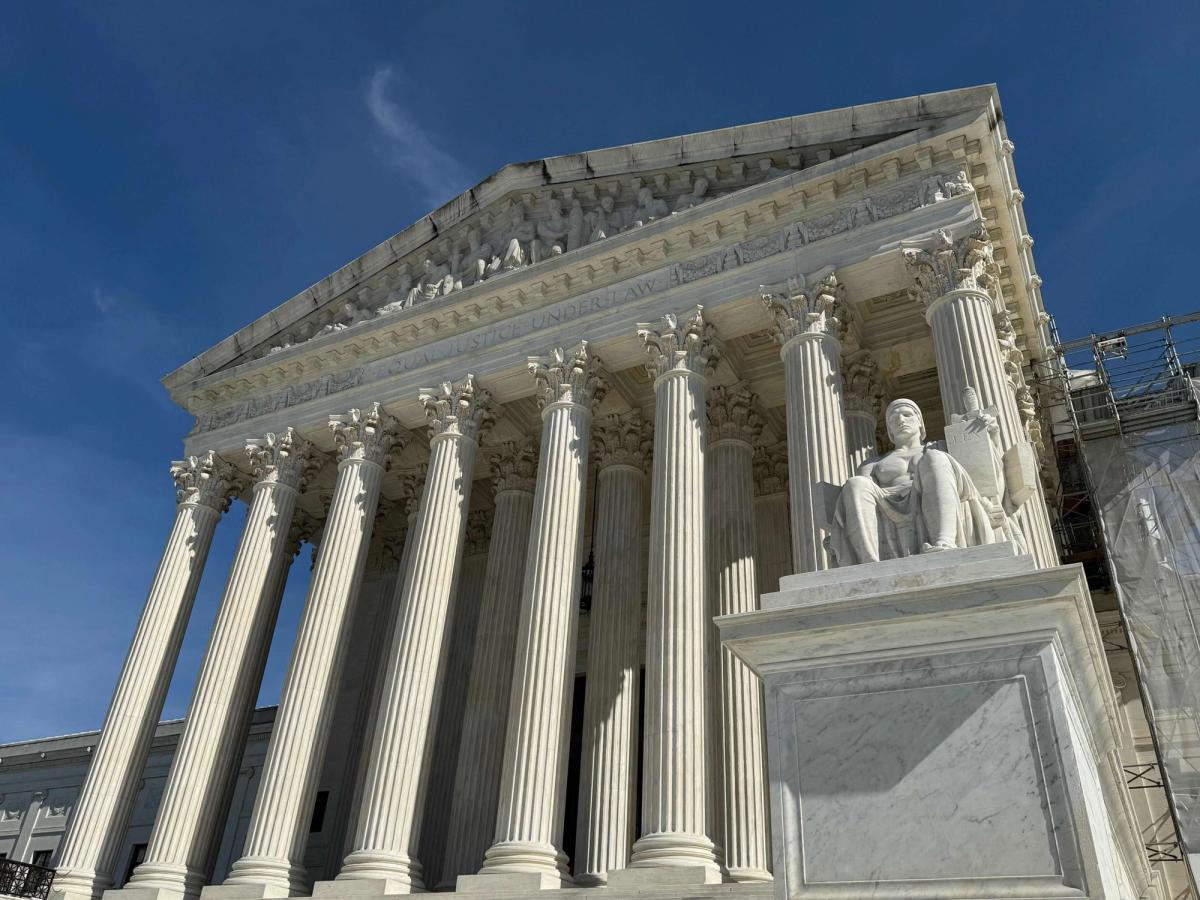
Justice Ketanji Brown Jackson has intensified debate over statutory interpretation methodology at the Supreme Court, challenging the textualist approach that has dominated recent decades. Her opinions expose tensions within the textualist framework that scholars and jurists increasingly scrutinize.
Textualism, championed by Justice Antonin Scalia and refined by current justices including Neil Gorsuch, prioritizes the plain meaning of statutory language over legislative history or policy considerations. Justice Jackson's opinions question whether textualism truly delivers neutral, objective results or masks judicial discretion beneath a facade of linguistic precision.
Jackson argues that textualism's application proves inconsistent across cases. When courts select which dictionary definition to apply or how to resolve ambiguities in statutory language, they exercise interpretive choices that textualism claims to eliminate. She contends that ignoring historical context and legislative intent produces outcomes divorced from Congress's actual objectives.
Her dissents cite examples where textualist majorities reach conclusions that textualism's own methodology should reject. This internal inconsistency strengthens arguments from statutory interpretation scholars who question whether textualism represents genuine methodological rigor or simply provides post-hoc justification for preferred outcomes.
The textualism debate carries practical consequences. Statutory interpretation shapes employment law, environmental regulation, civil rights enforcement, and criminal justice. When courts emphasize plain language over legislative history, they often restrict agency power and limit statutory scope, benefiting regulated industries and challenging plaintiff-friendly interpretations.
Jackson's critique arrives as other justices show similar skepticism. Justice Elena Kagan, though skeptical of textualism for years, finds Jackson's specific challenges resonant. Even some textualist-aligned justices have acknowledged edge cases where pure textual analysis proves inadequate.
These cracks in textualism's dominance matter for litigation strategy. Practitioners previously could predict outcomes based on textualist preferences.