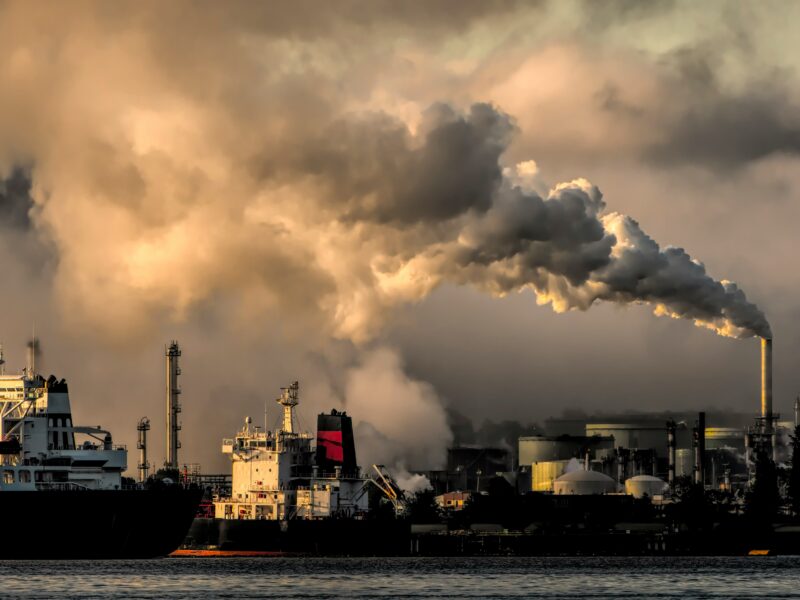
Researchers have identified a direct link between outdoor air pollution and genetic changes affecting male fertility. The study examined how common air pollutants alter genes responsible for sperm development, establishing a biological mechanism connecting environmental contamination to reproductive harm.
The investigation focused on particulate matter and nitrogen dioxide, pollutants prevalent in urban and industrial areas. Scientists discovered that exposure to these substances triggers epigenetic modifications, which are chemical changes that affect gene expression without altering the underlying DNA sequence itself. These modifications specifically target genes controlling spermatogenesis, the process by which sperm cells develop.
The findings carry practical implications for public health policy and individual reproductive planning. Men living in regions with high air pollution face documented risks to sperm quality and fertility outcomes. This research strengthens the scientific basis for stricter air quality regulations under environmental statutes like the Clean Air Act.
The study does not establish a direct liability framework for polluters, but it provides evidence that could support future tort claims alleging reproductive injury from air pollution exposure. Environmental agencies may reference this research when setting or enforcing particulate matter standards under the National Ambient Air Quality Standards program.
For individuals, the research suggests that relocation to areas with better air quality or use of advanced filtration systems may offer protective benefits. Couples experiencing unexplained infertility in heavily polluted regions should consider environmental factors alongside clinical investigation.
The research expands the documented health consequences of air pollution beyond respiratory and cardiovascular systems. Courts and regulatory bodies increasingly recognize environmental pollution's systemic effects on human health. This study contributes to the growing body of evidence supporting stronger environmental protections and potentially supports compensation claims by individuals whose fertility has been affected by pollution exposure.