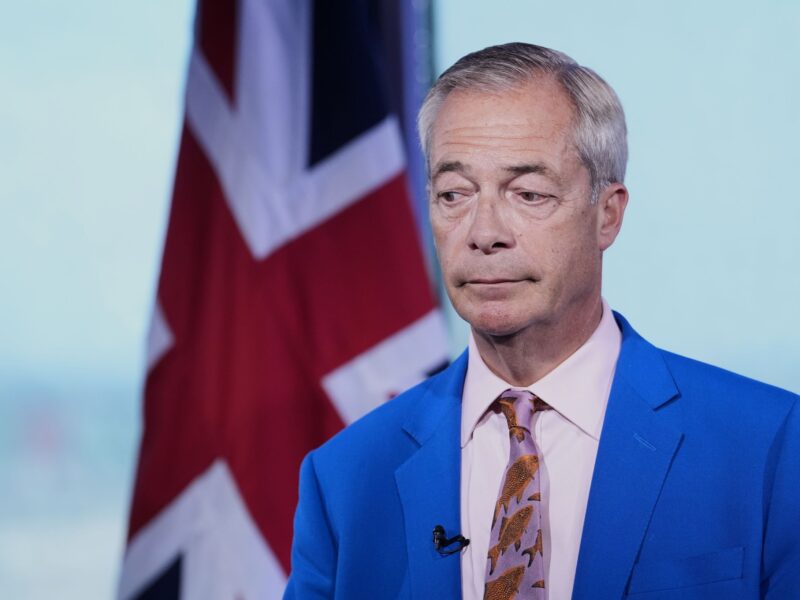
Nigel Farage resigned from his seat in Parliament, triggering a special election in his Clacton-on-Sea constituency. The decision comes as financial scrutiny of the far-right politician intensifies.
Farage cited local voter preference as his reason for stepping down, effectively placing his political future in the hands of constituents through a snap election. The timing coincides with mounting investigations into his personal and political finances, though Farage framed the resignation as a democratic choice rather than a response to external pressure.
The special election carries implications beyond Clacton-on-Sea. Farage's exit from Parliament removes a prominent voice from the House of Commons at a moment when his Reform UK party has gained traction in British politics. His departure may signal either a strategic retreat to focus on party leadership from outside Parliament or a calculation that maintaining his seat could become untenable given ongoing financial scrutiny.
The financial investigations center on potential irregularities in campaign funding and personal financial disclosures. Parliamentary authorities and potentially the Electoral Commission have examined Farage's financial arrangements, raising questions about compliance with transparency and campaign finance regulations governing Members of Parliament.
For Farage personally, resignation eliminates the parliamentary salary and office resources but may offer tactical advantage if financial investigations result in findings that could jeopardize his seat. A special election allows him to contest the seat afresh, essentially resetting his political standing locally.
The snap election timeline remains subject to UK electoral procedures. The constituency must hold the election within a statutory window following acceptance of Farage's resignation by parliamentary officials. Local Clacton voters will determine whether Farage returns to Parliament or whether another candidate claims the seat, potentially shifting the composition of the Commons and the influence of Reform UK within Parliament.
The resignation underscores how financial accountability mechanisms can reshape parliamentary composition and individual political trajectories in British politics.