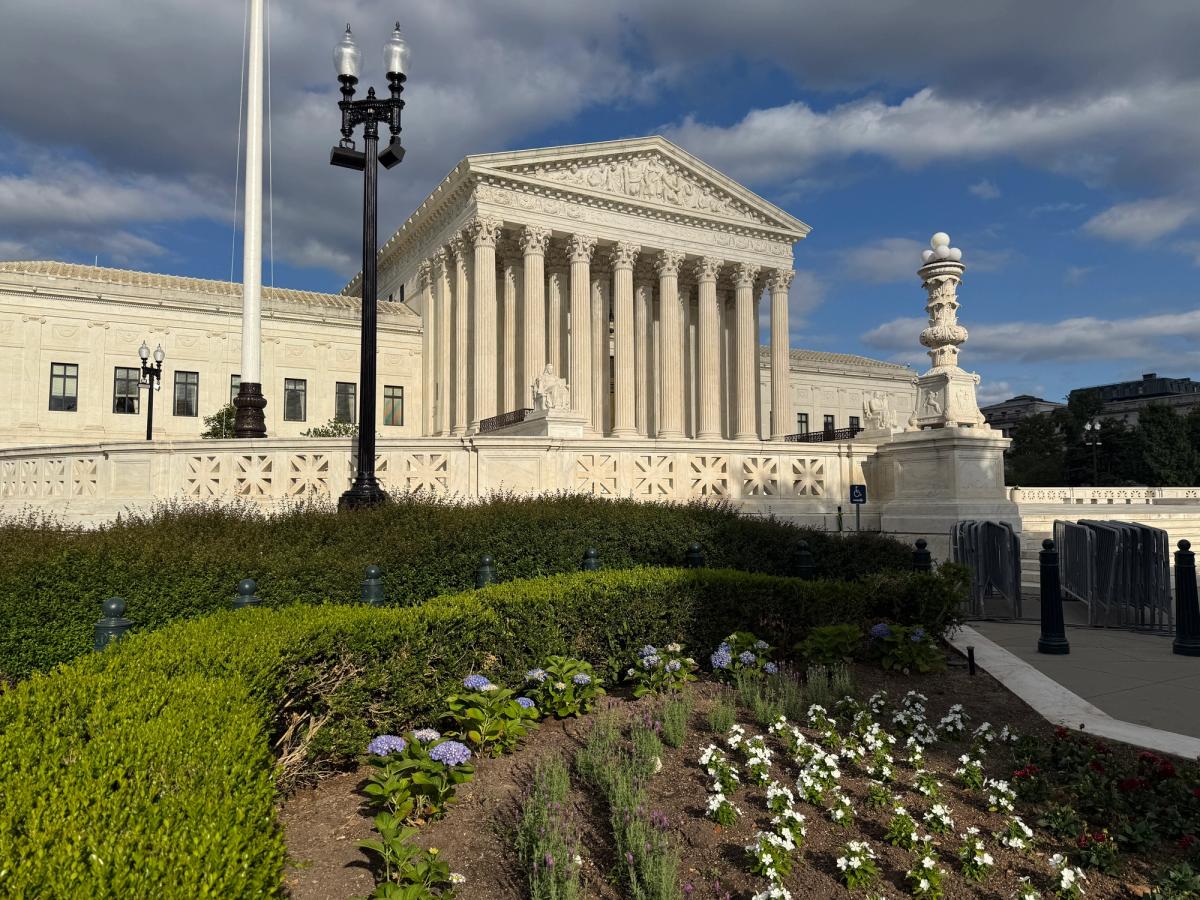
# Supreme Court Adds Six Cases to Docket, Including Voting Citizenship Challenge
The Supreme Court agreed to hear six new cases in its upcoming term, including a high-stakes dispute over whether states can require proof of citizenship to register voters.
The voting case stems from Arizona and Kansas efforts to impose citizenship documentation requirements at the state level. Federal law permits states to request proof of citizenship on voter registration forms, but the Ninth Circuit Court of Appeals previously blocked enforcement of these requirements. The Supreme Court's decision to review the case signals the justices will examine the scope of state authority under the National Voter Registration Act (NVRA) and federal election law.
This case directly implicates Section 5 of the NVRA, which allows states to request citizenship information but limits their ability to condition voter registration solely on citizenship proof. The question becomes whether states possess constitutional or statutory power to impose stricter citizenship verification than federal law permits. Arizona and Kansas argue states retain sovereign authority over election administration. Voting rights advocates contend federal law preempts stricter state requirements.
The five additional cases involve matters of corporate governance, administrative law, and civil procedure. The Court's agreement to hear these disputes reflects the justices' readiness to address emerging questions across multiple doctrinal areas heading into the new term.
Lower court decisions blocking the state citizenship requirements prompted the petitions. The Ninth Circuit's reasoning suggested federal law created a floor, not a ceiling, for voter eligibility standards. The Supreme Court's willingness to hear the case suggests at least four justices question this interpretation.
This voting case arrives amid ongoing political debate over election integrity and voter eligibility. The ruling will affect millions of voters nationwide and determine how aggressively states can implement voter identification protocols. A decision favoring Arizona and Kansas would expand state power to establish citizenship barriers. A decision backing the lower courts would constrain state authority and enforce federal uniformity.