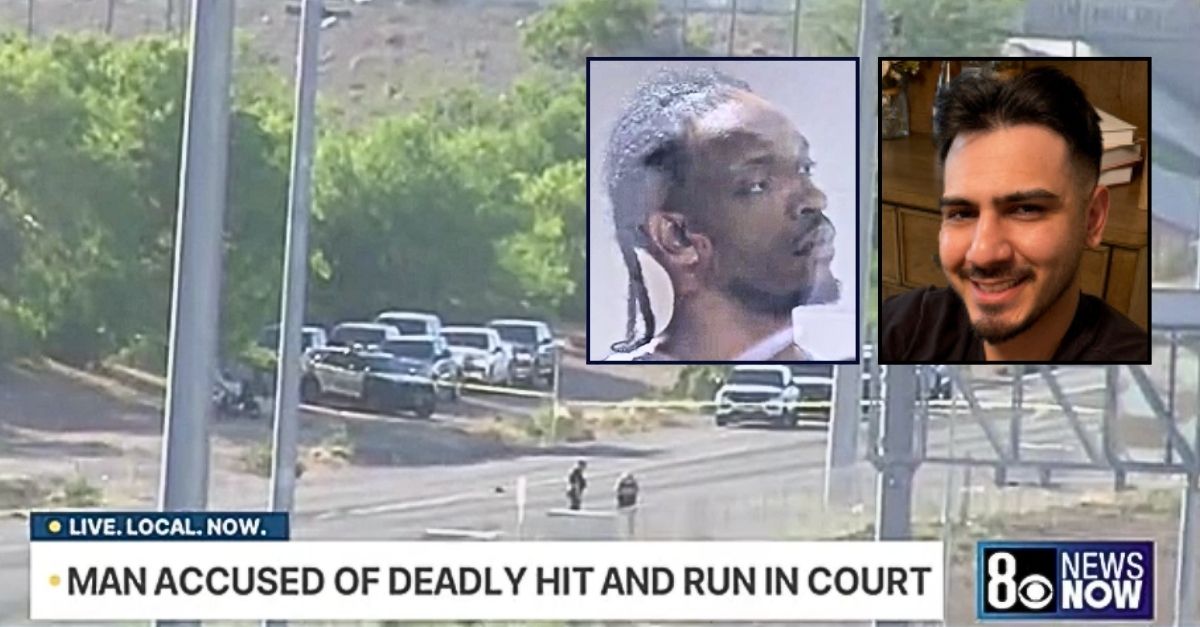
A Walmart manager in Nevada faces charges for killing a skateboarder with a Ram pickup truck and then falsifying his time card to obstruct the investigation, according to the district attorney's office.
The manager allegedly struck the skateboarder with his personal vehicle and fled the scene without rendering aid or reporting the collision. After the hit-and-run crash, he allegedly manipulated his employment time card to create false evidence that he remained clocked in at work during the incident. This falsification was designed to establish an alibi and distance him from the crash scene at the time it occurred.
The district attorney characterizes the time card alteration as a deliberate cover-up strategy, layering an obstruction charge atop the fatal collision. The dual nature of the allegations—a fatal traffic incident combined with document falsification—demonstrates the prosecutor's theory that the manager acted with intent to conceal his involvement rather than remain at the scene and cooperate with authorities.
For Walmart, the case presents employment liability exposure. The company faces potential negligent retention claims if discovery reveals prior safety concerns or disciplinary issues involving this manager. Depending on the jurisdiction's workers' compensation laws, questions may arise about whether Walmart's time-keeping systems contained adequate controls to flag suspicious entries. Third-party litigation from the victim's family is virtually certain.
The criminal charges against the manager likely include vehicular homicide or second-degree murder, hit-and-run resulting in death, and falsifying business records or evidence tampering. Nevada statutes treat hit-and-run fatalities seriously, with potential sentences exceeding ten years.
The time card falsification transforms this from a traffic tragedy into a white-collar crime element, signaling premeditation and consciousness of guilt to prosecutors and potentially to a jury. Employment records that can be digitally timestamped or that require supervisor authorization create evidentiary trails courts use to establish motive