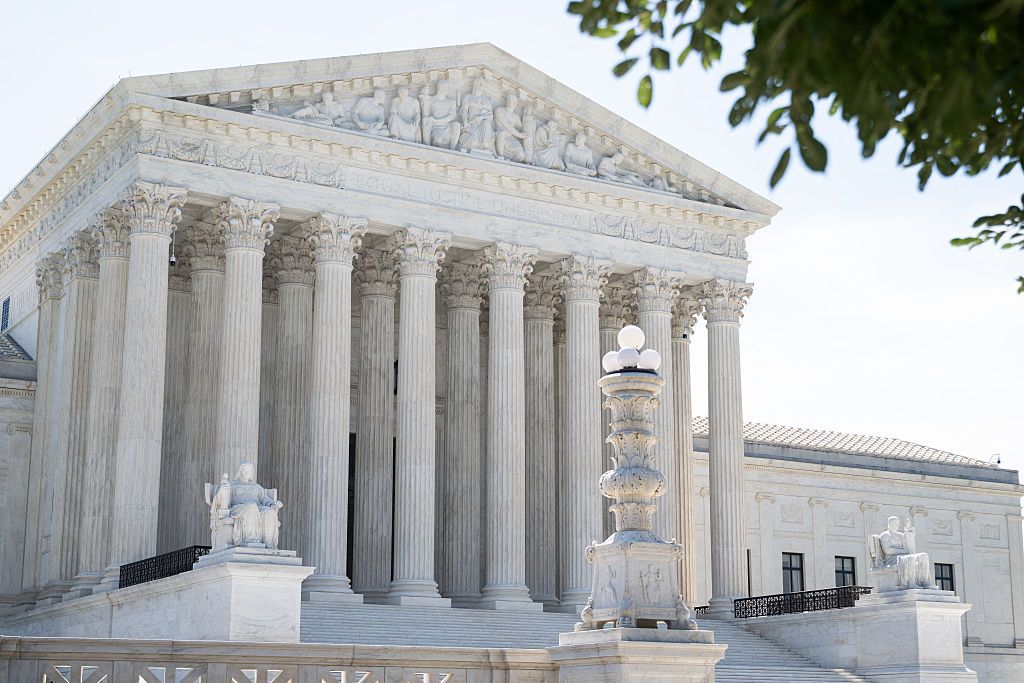
# The Supreme Court's Independence and Institutional Resilience
The Supreme Court maintains structural and operational independence that allows it to resist political pressure and preserve its institutional legitimacy, according to analysis from SCOTUSblog. This independence operates through multiple reinforcing mechanisms embedded in the Court's design and practice.
The justices' lifetime tenure insulates them from electoral politics. Article III of the Constitution guarantees that federal judges serve during good behavior, creating no schedule for reelection or reappointment review. This framework removes the traditional incentive to decide cases based on electoral cycles or partisan pressure.
The Court's internal procedures strengthen institutional autonomy further. The justices control their own docket through the writ of certiorari process, selecting roughly 70 to 80 cases from more than 7,000 petitions annually. This gatekeeping function means the Court sets its own agenda rather than following congressional direction or public demand.
The Court also manages its public messaging and legitimacy independently. When facing criticism from political branches or the public, justices have historically adjusted rhetoric or reasoning without compromising their authority. The Court can wait out political storms and rely on the respect traditionally accorded to judicial institutions.
Financial independence matters too. Congress appropriates funds for the judiciary, but the budget process does not condition judicial operations on case outcomes or political alignment. The Court building, staff, and administrative functions operate under the judiciary's control, not executive branch oversight.
The justices' professional background reinforces institutional norms. Most arrive from established legal careers with personal stakes in judicial independence. They understand that the Court's power depends on public perception of impartiality and integrity. Repeated decisions that appear purely partisan threaten the legitimacy the institution depends on.
This resilience faces real tests. Controversial decisions generate calls for court-packing, term limits, or jurisdiction restrictions. However, the structural protections outlined above