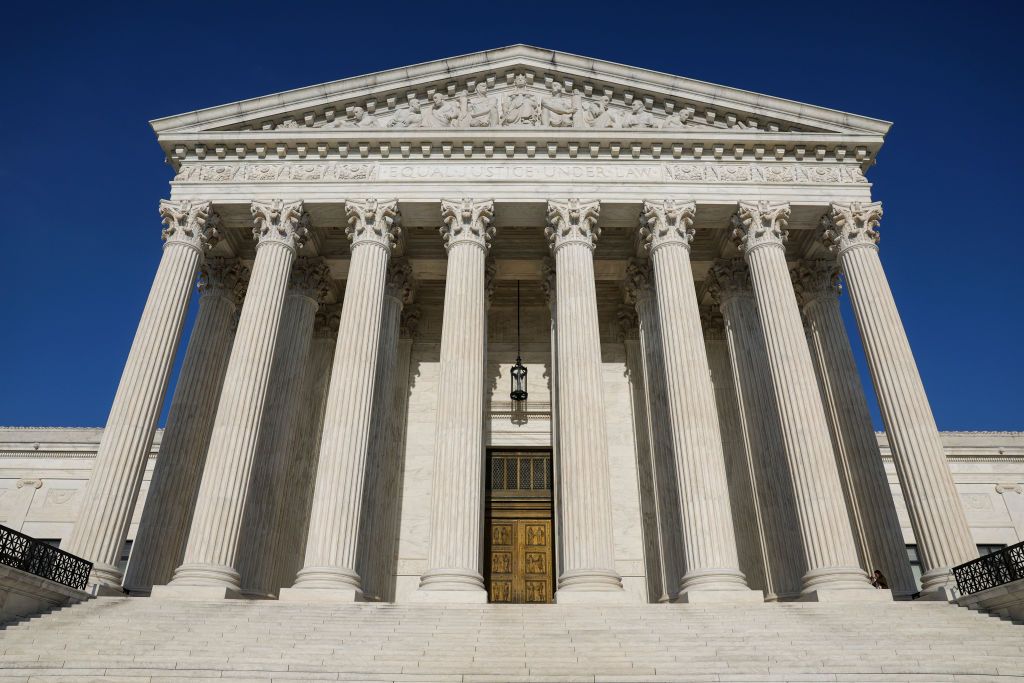
# Supreme Court May Finally Take a Summer Breather
The Supreme Court faced an unusually demanding summer schedule last year, with justices working through traditional recess periods to handle emergency applications and extraordinary petitions. This year, the Court may return to a more conventional calendar.
The Supreme Court typically adjourns in late June after issuing its final opinions of the term. Historically, justices have used the summer months for research, writing, and personal time before reconvening in October. Last summer proved different. Emergency applications flooded the docket, requiring justices to remain available for urgent rulings on matters like death penalty cases, election disputes, and temporary restraining orders that could not wait for the fall term.
Circuit justices, who handle emergency petitions from their assigned regions, faced particular pressure. The volume of summer applications has grown substantially over recent decades, reflecting increased litigation and the Court's role in reviewing lower court decisions quickly. Even during traditional recess, a single justice can act on emergency motions, meaning some level of Court business continues year-round.
This year's schedule may ease some strain. The Court's docket appears less congested in certain areas, though this remains subject to change as cases develop in lower courts throughout the spring. The justices' administrative staff has also implemented procedural adjustments designed to streamline emergency application reviews without requiring full Court deliberation.
Still, complete respite remains unlikely. Modern litigation increasingly demands rapid judicial intervention. Cases involving voting rights, regulatory deadlines, and criminal convictions frequently reach the Court on expedited timelines that do not respect judicial calendars.
The ability of justices to disconnect during summer has broader institutional implications. Extended breaks allow time for thoughtful opinion writing, law clerk recruitment and training, and reflection on the Court's docket priorities. Continuous emergency work can compromise deliberative processes that the judicial system depends upon.
Whether the Court truly achieves a