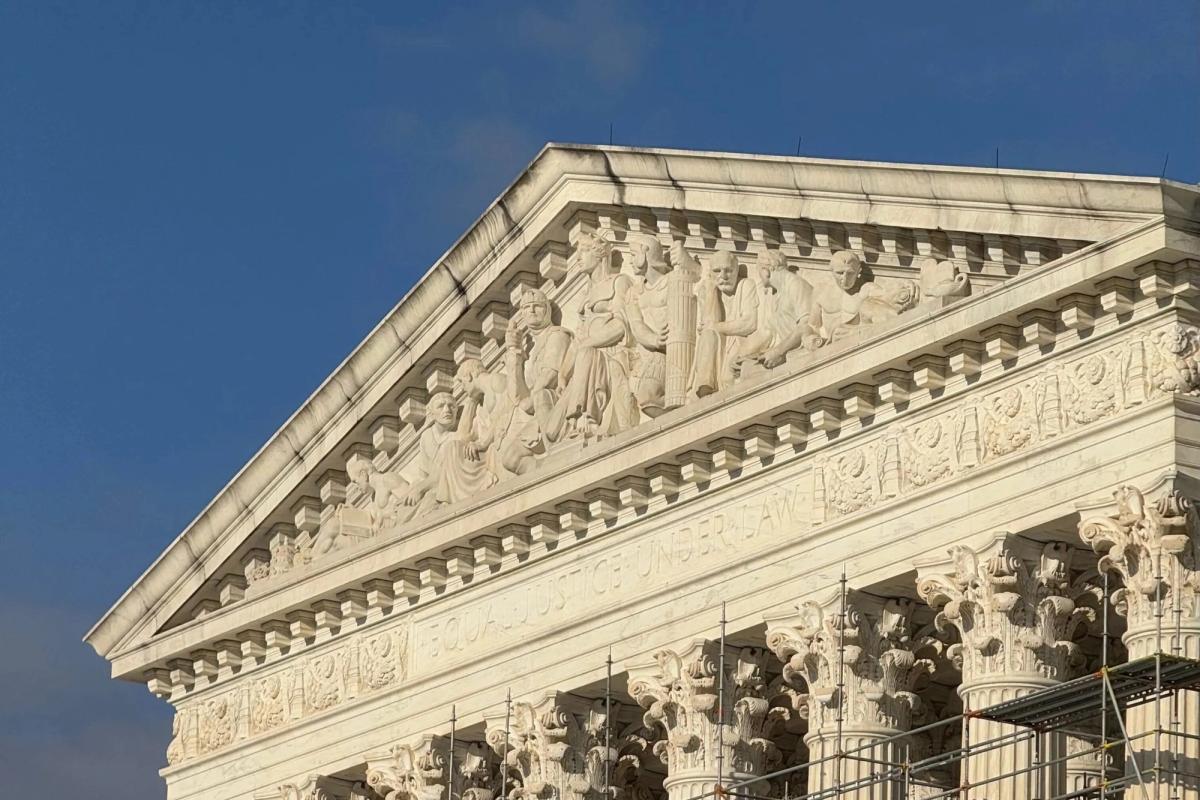
The Supreme Court concluded a term marked by sweeping decisions that reshaped constitutional law across multiple domains. The Court issued rulings on affirmative action, abortion access, and executive power that will reverberate through American jurisprudence for years.
The affirmative action decision in Students for Fair Admissions v. Harvard and Students for Fair Admissions v. University of North Carolina eliminated race-conscious admissions at higher education institutions, invalidating decades of precedent permitting such programs under the Equal Protection Clause. The abortion ruling in Dobbs v. Jackson Women's Health Organization overturned Roe v. Wade and Planned Parenthood v. Casey, returning abortion regulation authority to individual states. These decisions represented historic departures from established doctrine.
Beyond these headline cases, the Court addressed presidential power, tribal sovereignty, and First Amendment protections for religious speech. The term demonstrated the Court's willingness to revisit settled law when a majority concluded prior reasoning was flawed.
Looking forward, observers expect the next term to prove equally consequential. Cases already docketed involve voting rights, LGBTQ protections, and regulatory authority. The composition of the current bench, which shifted decisively rightward following recent appointments, shapes the trajectory of these cases.
SCOTUSblog notes that the momentum from this term creates expectations about judicial direction in pending disputes. The cases set to be argued involve fundamental questions about equality, representation, and governmental power. Legal experts across the ideological spectrum anticipate decisions that will generate substantial public reaction and require substantial legislative responses in numerous states.
The docket reflects continuing tension between individual rights claims and state regulatory interests. Federal agencies also face scrutiny regarding the scope of their delegated authority. These emerging disputes will test whether this term's doctrinal shifts represent isolated corrections or the beginning of a broader reorientation of constitutional interpretation.