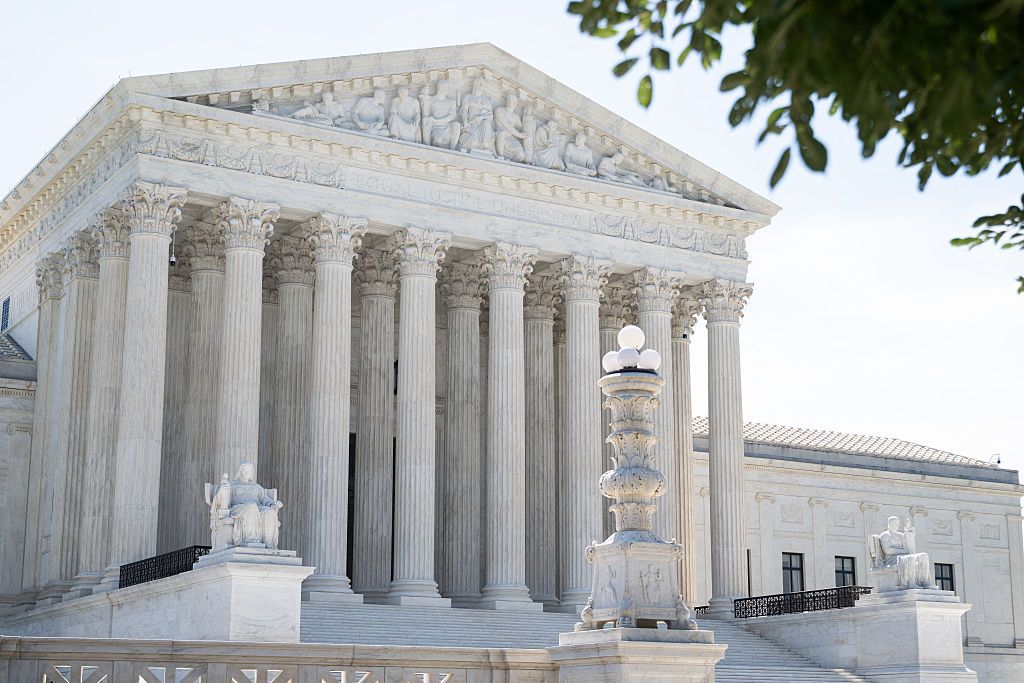
The U.S. Supreme Court declined to block a state law that permits election officials to count mail-in ballots received after Election Day, rejecting an emergency appeal from Republican challengers.
The decision preserves the challenged statute without full briefing or oral argument. The Court did not issue an opinion explaining its reasoning, which limits the precedential value of the action. This procedural posture suggests the justices either lacked five votes to grant the emergency relief or found no sufficient likelihood of success on the merits.
The case targeted provisions allowing late-arriving ballots to count within a specified window after Election Day. Republican groups argued the practice violates the Elections Clause of the Constitution, which vests state legislatures with power to set the "Times, Places and Manner of holding Elections." They contended that state courts lacked authority to interpret election statutes expansively, particularly regarding deadline extensions.
The state defending the law asserted that nothing in the Elections Clause prevents state courts from enforcing voter-protective provisions consistent with the legislature's original statutory framework. Election officials warned that blocking the law weeks before the general election would create chaos and disenfranchise voters whose ballots arrived slightly late through no fault of their own.
This decision follows years of litigation over mail-in ballot deadlines. Post-2020 election disputes established that courts must balance the Elections Clause against state constitutional protections for voting rights. The Supreme Court has repeatedly declined to intervene in similar disputes at the emergency stage, suggesting reluctance to overturn state election rules near election dates.
For voters and election administrators, the ruling confirms that extending mail-in ballot receipt windows remains constitutionally permissible. The decision affects mail voting practices nationwide, as many states maintain comparable deadline extensions. For Republican plaintiffs, the defeat narrows opportunities to challenge state voting procedures through federal courts absent substantial intervening developments.